
Daily routines can really make a difference in your pet’s lifespan and overall well-being. By sticking to simple habits—like regular meals, exercise, and a bit of mental challenge—you’re giving your dog or cat a better shot at a long, healthy life.
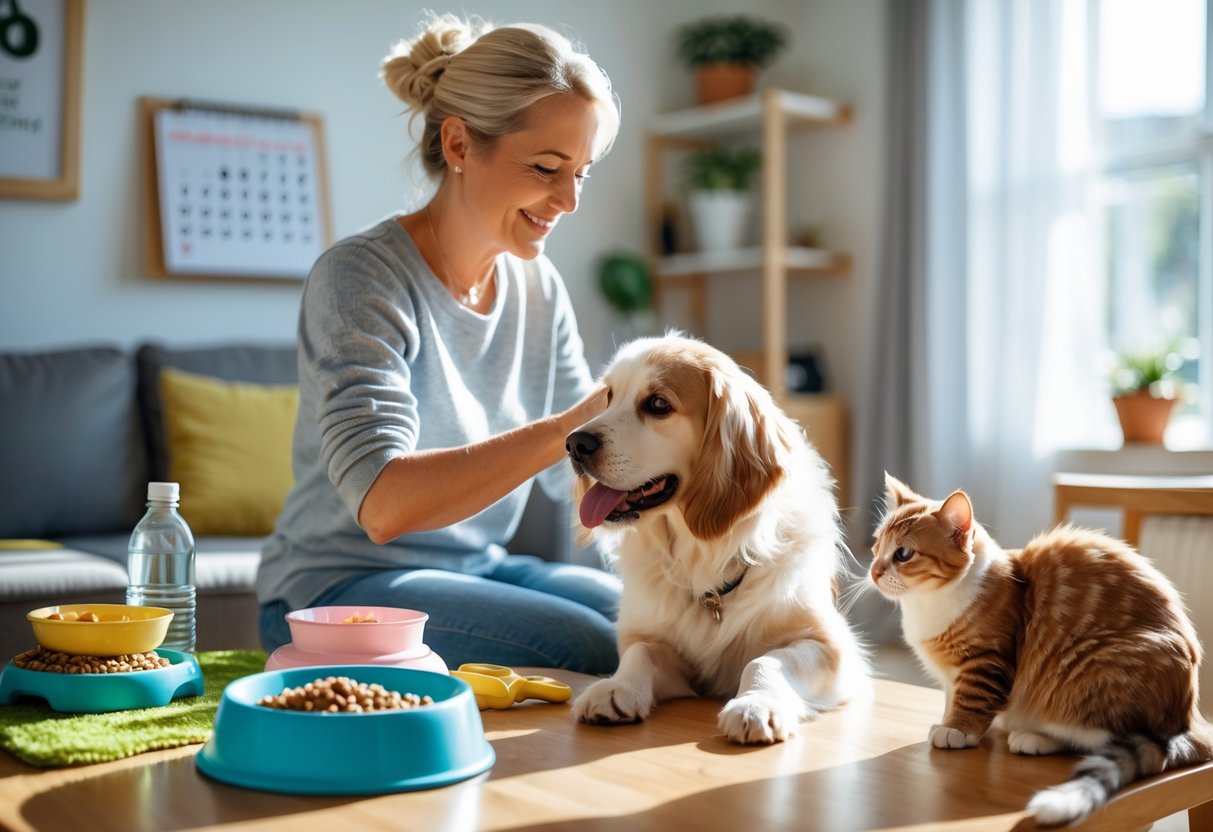
Healthy habits for pets go way beyond food and walks. Preventive care—think grooming and keeping an eye on their health—helps you spot issues early and keeps things running smoothly.
Honestly, you don’t need some elaborate routine to help your pet thrive. Even small, consistent changes can boost energy and happiness. With a few smart tweaks, you’re setting your furry pal up for a longer, better life.
Daily Routines That Extend Your Pet’s Lifespan
A healthy daily routine covers balanced meals, exercise, hygiene, and creating a safe home. These basics support both body and mind, helping your pet stay active and avoid illness over time.
Establishing a Consistent Feeding Schedule
Feeding your pet at set times each day keeps their digestion and metabolism on track. It also helps avoid overeating and supports a healthy weight, which lowers risks like diabetes or joint issues.
Pick a good-quality diet that matches your pet’s age, size, and health. Try not to go overboard with treats or table scraps—they can throw off their nutrition.
Some pets do best with two or three meals a day, depending on breed and activity. Keep an eye on portion sizes, and if you notice changes in appetite, that could be a sign of health issues.
Daily Exercise and Mental Stimulation
Exercise is huge for heart, muscle, and joint health. Dogs thrive on walks, play, or even a quick run, while cats love a good chase or climbing session.
Don’t forget their brains—puzzle feeders or training games help keep boredom and stress at bay. That means less destructive behavior and a sharper mind.
For dogs, aim for at least 30 minutes of activity a day. Cats do well with a few short play sessions. Adjust based on age and health—it’s not one-size-fits-all.
Preventive Health Checks and Grooming
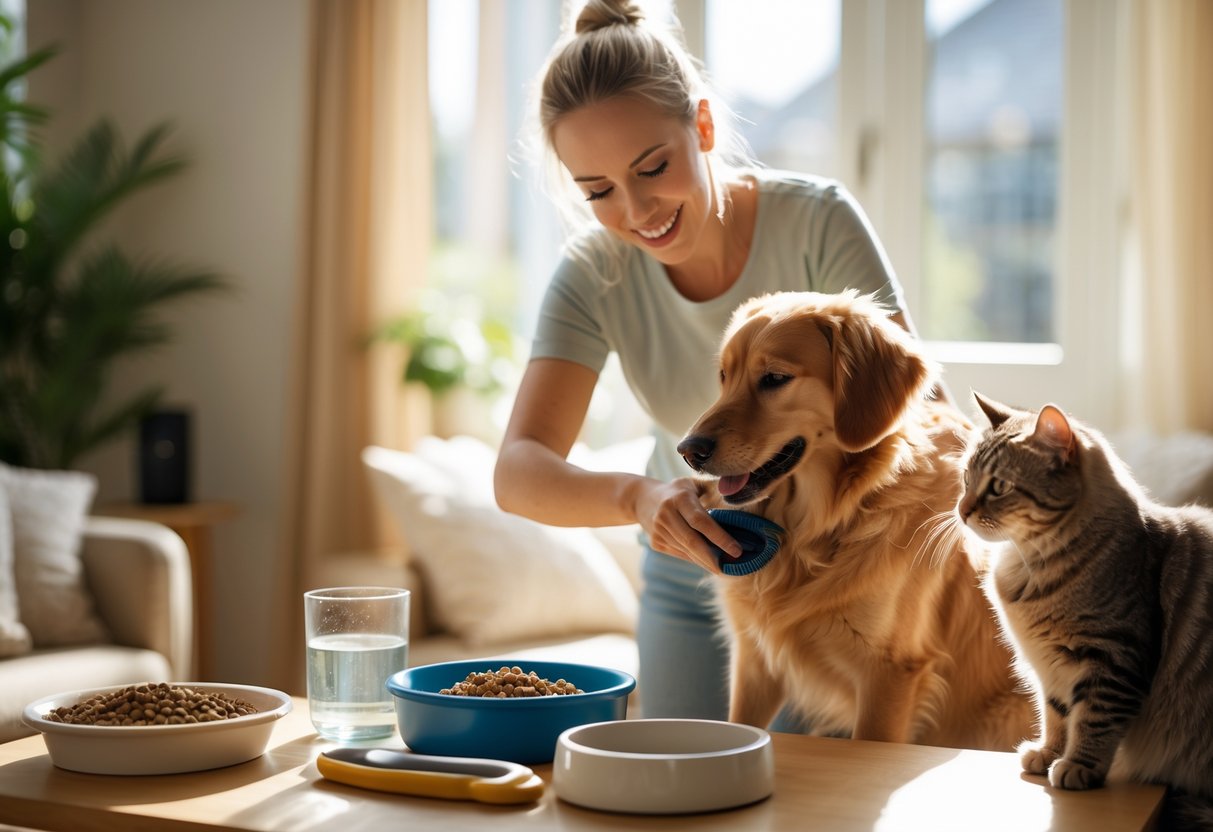
Daily grooming matters: brushing, checking skin, maybe cleaning ears. You’ll catch things like lumps or ticks early, plus your pet will be more comfortable.
Pay attention to their eyes, teeth, and nails. Good dental care is crucial—bad teeth can lead to bigger health problems.
Make regular vet visits for checkups and vaccines. Staying ahead of issues with preventive care can really add good years to their life.
Clean Water and Safe Living Spaces
Fresh water should always be on hand. Clean those bowls daily—no one likes a slimy dish. Hydration keeps digestion, kidneys, and skin in good shape.
Keep their space tidy and safe. Remove toxic plants, chemicals, or anything they might swallow. A safe environment cuts down on accidents and sickness.
Don’t forget about temperature—make sure your pet stays comfy inside, and gets shelter from extreme heat or cold when outdoors.
Healthy Habits and Lifestyle Tips for Long-Lived Pets
Day-to-day care really stacks up over time. Feeding the right food, creating peaceful spaces, exploring natural wellness options, and spending time together all make a difference. These habits keep pets strong in body and mind.
Balanced Nutrition for Dogs and Cats

What your pet eats affects their energy and how long they’ll stick around. Choose food made for their age, size, and any special needs. Look for real meat, balanced fats, and keep fillers like corn or wheat to a minimum.
Don’t overfeed—obesity opens the door to all sorts of health problems. Measure out portions and follow the guidelines. And yeah, water should always be there, no exceptions.
Supplements can help, but only if your vet says so. Some pets need a boost from vitamins or probiotics, but it’s not for everyone.
Building Stress-Free Environments
Pets do better—and live longer—when they feel safe and relaxed. During storms or parties, try to keep things calm. Set up a cozy spot with their bed, toys, and familiar stuff so they have somewhere to chill out.
Too much noise or chaos isn’t great for them. Stick to predictable routines for meals, play, and rest. It helps more than you might think.
Pheromone sprays or diffusers can ease anxiety. If your pet’s acting stressed—like pacing, hiding, or over-grooming—it’s worth asking your vet for help.
Natural Ways to Support Pet Wellness
Natural methods can give your pet’s health a boost. Walks and play sessions aren’t just fun—they build muscle and keep the heart strong. Mental games like puzzle toys keep boredom in check.
Grooming is more than just making them look nice. Regular brushing removes dirt, prevents mats, and lets you catch skin issues early. Dental care matters, too—daily brushing or vet-approved chews can help keep infections away.
Some folks swear by herbs like turmeric or fish oil for inflammation, but always check with your vet before adding anything new.
In the end, it’s the little things you do every day that add up. There’s no magic bullet, but with steady, caring routines, you’re giving your pet the best shot at a long, happy life. Isn’t that what we all want for them?
Bonding and Social Interaction
Daily attention really does wonders for your bond and your pet’s overall well-being. Whether it’s a quick play session, a bit of petting, or some light training, it all adds up.
Positive interactions can actually lower stress hormones. They might even help with those annoying behavior problems that pop up from time to time.
Social interaction is especially important for dogs. Regular walks or a trip to the dog park give them a chance to stay happy and stave off loneliness.
For cats, it’s a little different. Gentle play and petting sessions go a long way in building trust.
Some cats get a kick out of watching birds or chasing toys that mimic hunting. It’s a simple way to keep indoor life interesting for them.
Honestly, investing a bit of time each day makes a world of difference for your furry friend. The stronger your connection, the happier you’ll both be—so why not make it a habit?
Products Mentioned in This Guide:




A really good blog and me back again.