Trying to pick between homemade and store-bought pet food? Yeah, it can get a bit overwhelming. You want your pet to eat well, but both choices have their perks and pitfalls.
Homemade food? You get to pick every ingredient and focus on freshness. But commercial food is so much easier—plus, it’s balanced and usually follows vet-approved standards.
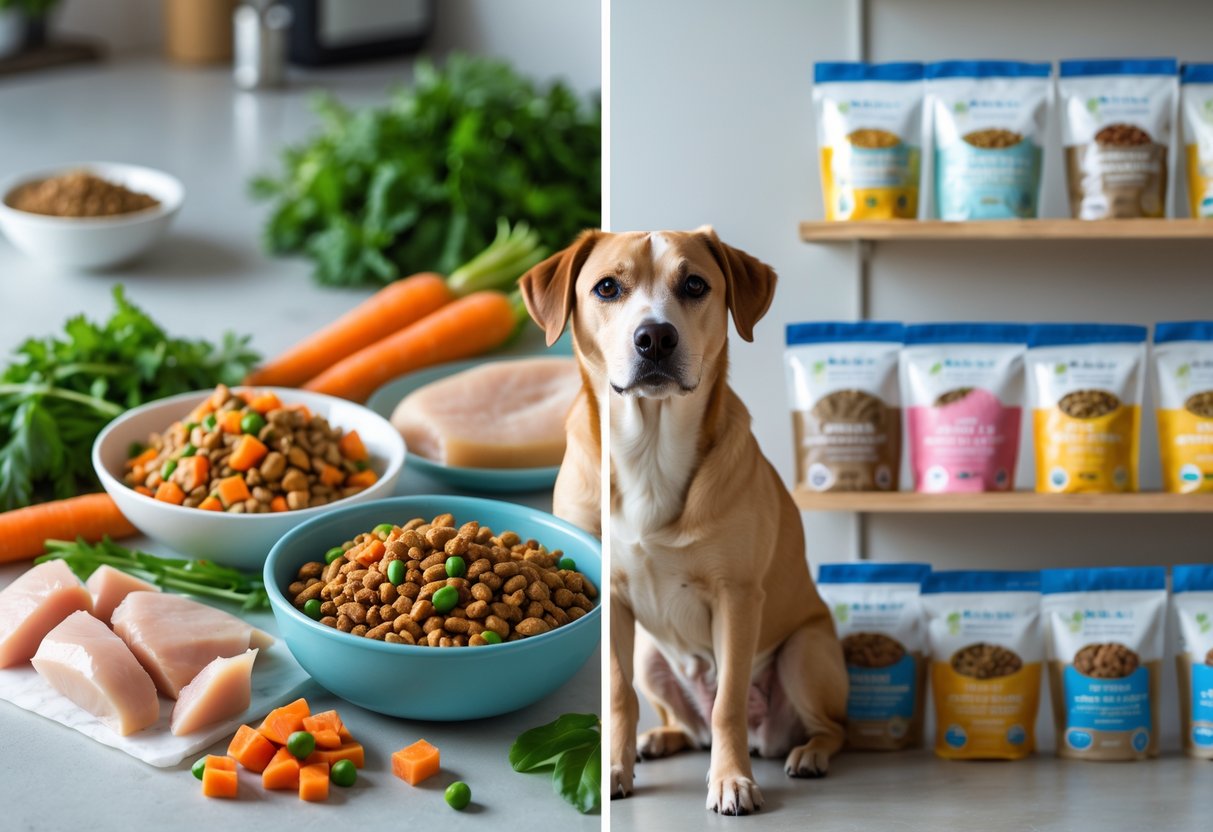
The healthiest choice really depends on your pet’s unique needs and your ability to keep up a balanced diet. If you’re making meals at home, you have to make sure your pet gets every essential nutrient.
Store-bought foods are built to meet those nutritional requirements, though sometimes they toss in preservatives or fillers you might not love.
Understanding your pet’s health, lifestyle, and nutritional needs will help you make the call. Let’s break down the key points about homemade and commercial pet food so you can decide what’s best for your furry friend.
Homemade vs. Store-Bought Pet Food: Which Is Healthier?
Honestly, the “healthier” option depends on a bunch of things—nutrient balance, ingredient quality, convenience, and food safety. Both types of food have their strengths and some weak spots that can affect your pet’s diet and overall health.
Nutritional Quality and Ingredient Sourcing
Homemade food puts you in control. You can pick fresh meats, veggies, and grains—skip the stuff you don’t like, like fillers or preservatives that sneak into some commercial brands.
But here’s the tough part: keeping every meal balanced is tricky. Pets need specific vitamins and minerals, and it’s surprisingly easy to get the amounts wrong without good advice.
Store-bought foods are designed to meet nutritional standards set by agencies. Most of them have added vitamins and minerals to make things easy for you. Still, ingredient quality can swing wildly from one brand to another, so it’s not always perfect.
DIY Pet Food Benefits and Drawbacks
Making your own pet food lets you personalize meals for picky eaters or pets with allergies. You can dodge artificial stuff and stick with real, whole foods.
But it’s a commitment. You’ve got to either study up on pet nutrition or get help from a vet or nutritionist. If you don’t, homemade food can end up causing imbalances or tummy troubles.
And don’t forget food safety—preparing and storing homemade meals properly matters. A slip-up can lead to spoilage or contamination, which is a headache no one wants.
Commercial Pet Food Pros and Cons
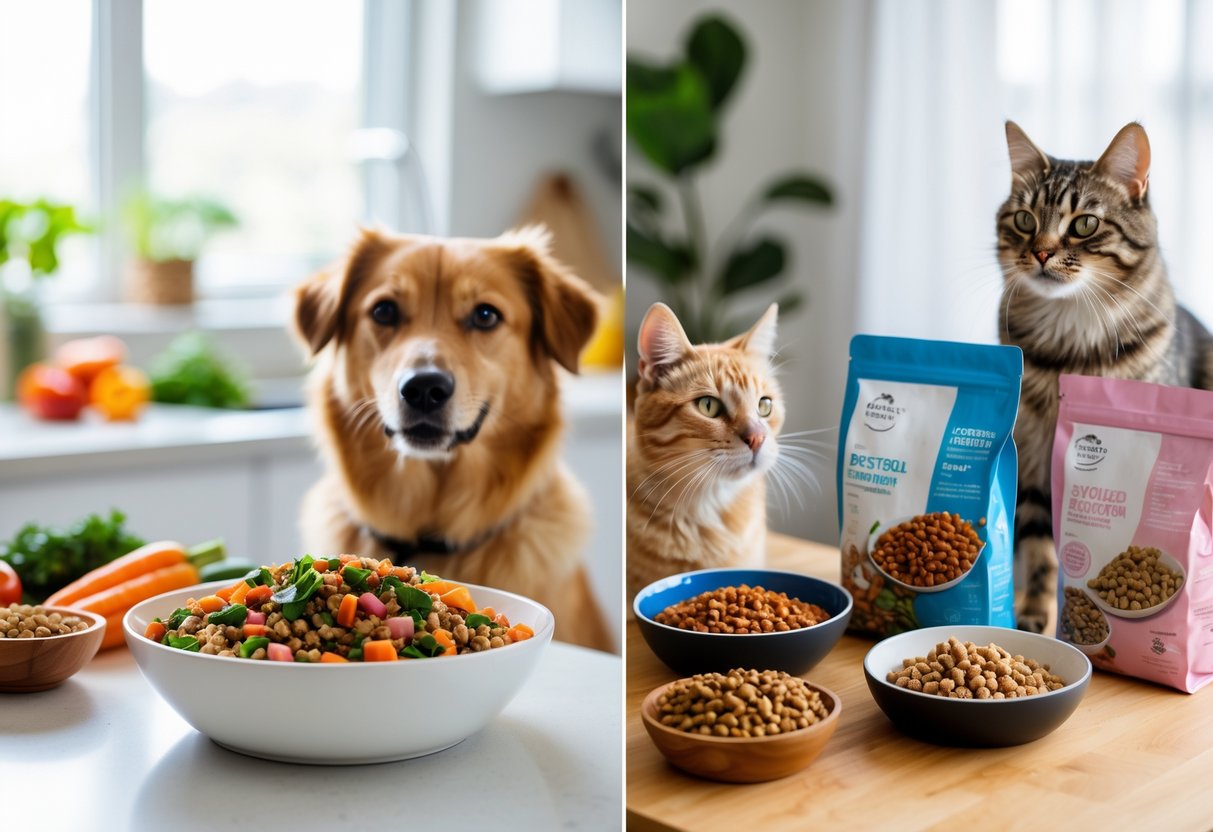
Store-bought food is just plain convenient. Buy it, pour it, you’re done. There’s a formula for pretty much every life stage or health issue, which is handy.
These foods have to hit strict nutritional targets, so they’re generally balanced. Packaging helps keep things fresh, too.
But yeah, some lower-end brands use fillers, artificial stuff, or questionable ingredients. You’ll probably notice they don’t smell as fresh as homemade meals, and you have less say in what goes in the bag.
Safety and Quality Control Considerations
Safety’s a big deal, no matter what you pick. Store-bought foods go through regular testing and government quality controls, which helps cut down on contamination risks.
With homemade food, safety depends on your prep and storage. If you don’t cook or store things right, you could introduce bacteria or lose important nutrients.
Definitely talk to your vet before going homemade. It’s the best way to make sure your pet’s diet is safe and on point. Regular checkups don’t hurt either—they help you catch any issues early.
Creating a Balanced and Healthy Diet for Your Pet
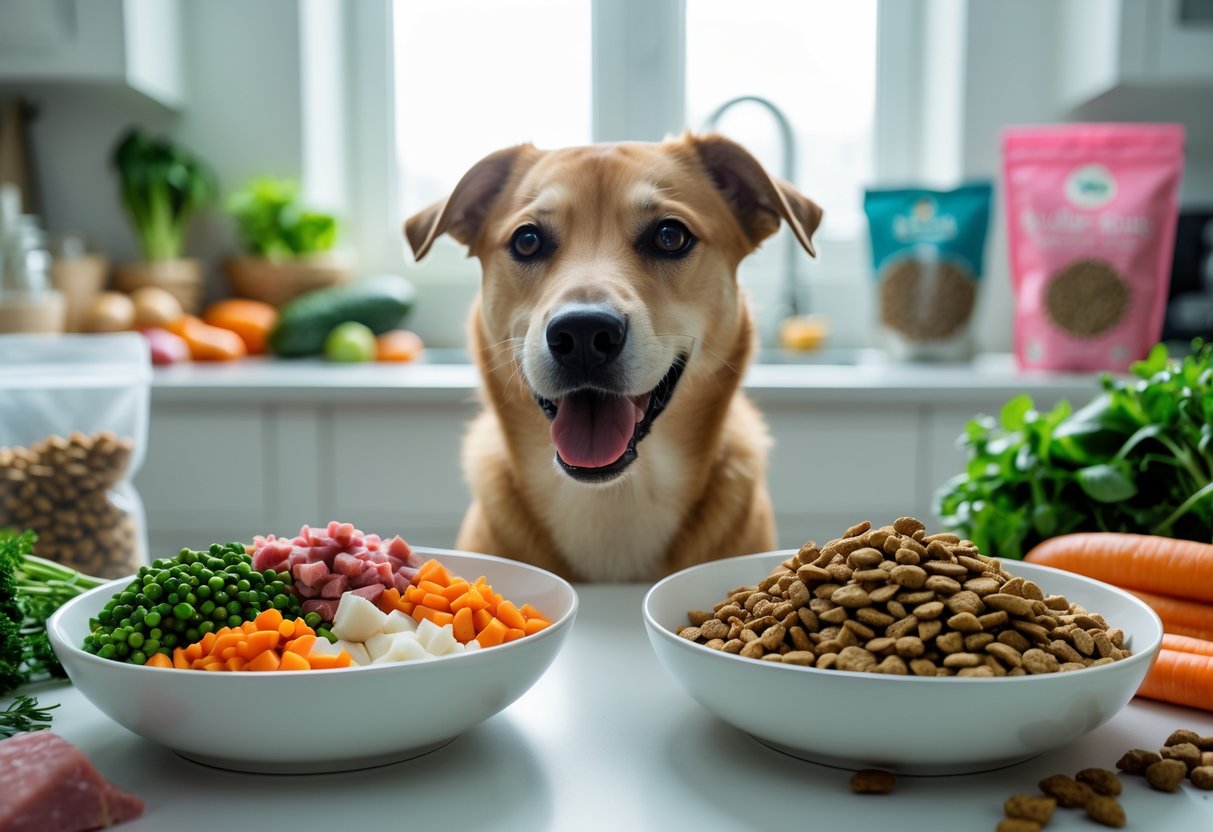
A healthy diet is about more than just filling the bowl. You’ve got to consider your pet’s age, health, and daily routine. Whether you go natural or commercial, the real key is getting the right balance and quality.
Understanding essential nutrients and making smart choices can go a long way toward keeping your pet happy and healthy.
Essential Nutrients and Balanced Diet Guidelines
Your pet needs a mix of proteins, fats, carbohydrates, vitamins, and minerals. Protein builds muscle and repairs tissue, while fats are a big energy source and help the body use vitamins.
Carbs are fuel, but don’t overdo them. Vitamins and minerals matter for immune health and all those little body functions—think calcium for bones, vitamin A for eyesight.
A balanced diet means hitting the right amounts, not too much or too little. If you’re going homemade, plan carefully or get advice from your vet. Missing key nutrients can cause real problems down the road.
Natural and Vet-Recommended Pet Food Choices
Natural foods usually mean whole, unprocessed stuff—cooked meats, veggies, rice. You can make fresh meals, but don’t forget: they still need to be nutritionally complete.
Vets often lean toward commercial foods since they’re tested and meet strict standards. These options are consistent and usually have added vitamins and minerals for good measure.
Some folks mix homemade and store-bought food to add variety and balance. If you’re thinking about trying that, check with your vet—especially if your pet has any health quirks.
Best Diet Options Based on Pet Age and Health Needs
Puppies, kittens, adults, seniors—they all need different diets. The little ones need more calories and protein to grow. Adults do best with maintenance diets that don’t overdo the fat or calories.
Pets with health issues like allergies, kidney problems, or weight struggles might need special diets. These are tweaked to fit their condition, usually by a vet.
It’s smart to match your pet’s food to their age and health. Use your vet’s advice, and keep an eye on your pet’s weight and energy so you can adjust as needed.
Honestly, there’s no magic answer—just what works best for you and your pet. Take your time, ask questions, and remember: a little extra effort now can mean a happier, healthier companion for years to come.
Practical Tips for Pet Parents Choosing Healthy Food
Start by actually reading those ingredient labels. If you see whole protein sources like chicken or beef right at the top, that’s a good sign.
Try to skip foods loaded up with fillers—corn and soy are the usual suspects. They just don’t add much value, honestly.
Thinking about cooking for your pet? Stick to vet-approved recipes. It’s easy to miss out on key nutrients otherwise, and no one wants that.
When you switch foods, don’t rush it. Spread the change out over a week or so—7 to 10 days is about right, or you might end up with a queasy pet.
Always keep fresh water handy. Sounds basic, but it matters.
And hey, don’t forget to store your pet’s food properly. Freshness is a bigger deal than most people realize.
Regular vet checkups really do help. They’ll spot any nutrition issues you might miss, and you can tweak things as needed.
Honestly, choosing the right food for your pet isn’t always straightforward, but a little attention goes a long way. It’s worth the effort when you see your furry friend thriving—so trust your instincts, ask questions, and don’t be afraid to adjust as you learn what works best.