
Cats hide pain because their instincts tell them to appear strong and avoid showing weakness. This behavior goes way back to their wild ancestors, where showing pain or injury could make them targets for predators.
Because of this natural instinct, it’s honestly tough to know when your cat is actually hurting.

You’ve got to watch for subtle changes in your cat’s behavior—like how it moves, sleeps, or even uses the litter box. Things like being less active, avoiding people, or grooming less could all be clues your cat is in pain.
Paying close attention to these small changes helps you catch hidden health problems before they become serious. Understanding your cat’s body language and daily habits gives you a better chance to spot when something is wrong.
Knowing what to watch for lets you act quickly and support your cat’s wellness with proper veterinary care. It’s not always obvious, but staying alert can make all the difference.
Why Cats Hide Pain and the Challenges of Detection
Cats often mask their pain in ways that make it hard for you to notice. Their natural behaviors and common health issues create subtle signs that can be easy to miss.
Understanding these factors can help you identify when your cat needs care. It’s not always as simple as you’d hope.
Evolutionary Survival Instincts in Feline Pain Behavior
Your cat’s instinct to hide pain comes from a long history in the wild. Showing weakness would have made them a target for predators.
This survival strategy means your cat tries to appear strong, even when injured or sick. It’s pretty deeply rooted in their DNA, so it doesn’t just disappear because your cat lives indoors.
Even the slightest sign of pain may be hidden to avoid seeming vulnerable. This makes it harder for you to see when your cat really needs help.
How Cats Conceal Discomfort in Everyday Life
Your cat uses subtle body language to hide pain. They might stop playing or grooming as usual, but otherwise act normal.
Sometimes they hide in quiet places, avoid jumping, or change their sleep patterns. Pain might also cause changes in eating or drinking habits too.
They might eat less if chewing hurts or drink more if something’s wrong internally. These signs are often easy to overlook, so watching your cat closely every day is important.
Common Causes of Pain in Cats

Cats can experience pain from lots of common health problems. Dental disease is a frequent issue that makes chewing painful and often goes unnoticed.
Arthritis and joint problems cause stiffness but may only show as slight changes in movement. Other causes include injuries, infections, or internal disorders like kidney problems.
These conditions often develop slowly, so pain signs can be very subtle at first. Knowing these causes can help you watch for early signs and get your cat veterinary care in time.
Recognizing Pain and Supporting Your Cat’s Well-Being
Cats hide pain very well, but you can still spot signs if you watch closely. Changes in behavior, body language, and physical actions often reveal discomfort.
Acting quickly when you notice signs can help your cat get the care it needs. It’s not always easy, but it’s worth the effort.
Subtle Signs and Changes in Cat Behavior
Cats in pain may act differently around you. You might notice your cat hiding more than usual or becoming unusually quiet.
Some cats grow more aggressive or irritable when touched. Changes like reduced grooming or licking one spot too much can also show pain.
Your cat may sleep more or lose interest in food. Even small shifts in daily routines, like avoiding jumping or walking stiffly, are important clues.
Tracking these changes carefully helps you understand when something is wrong before pain worsens. It takes a bit of patience and a lot of love.
Physical Indicators and Body Language Clues
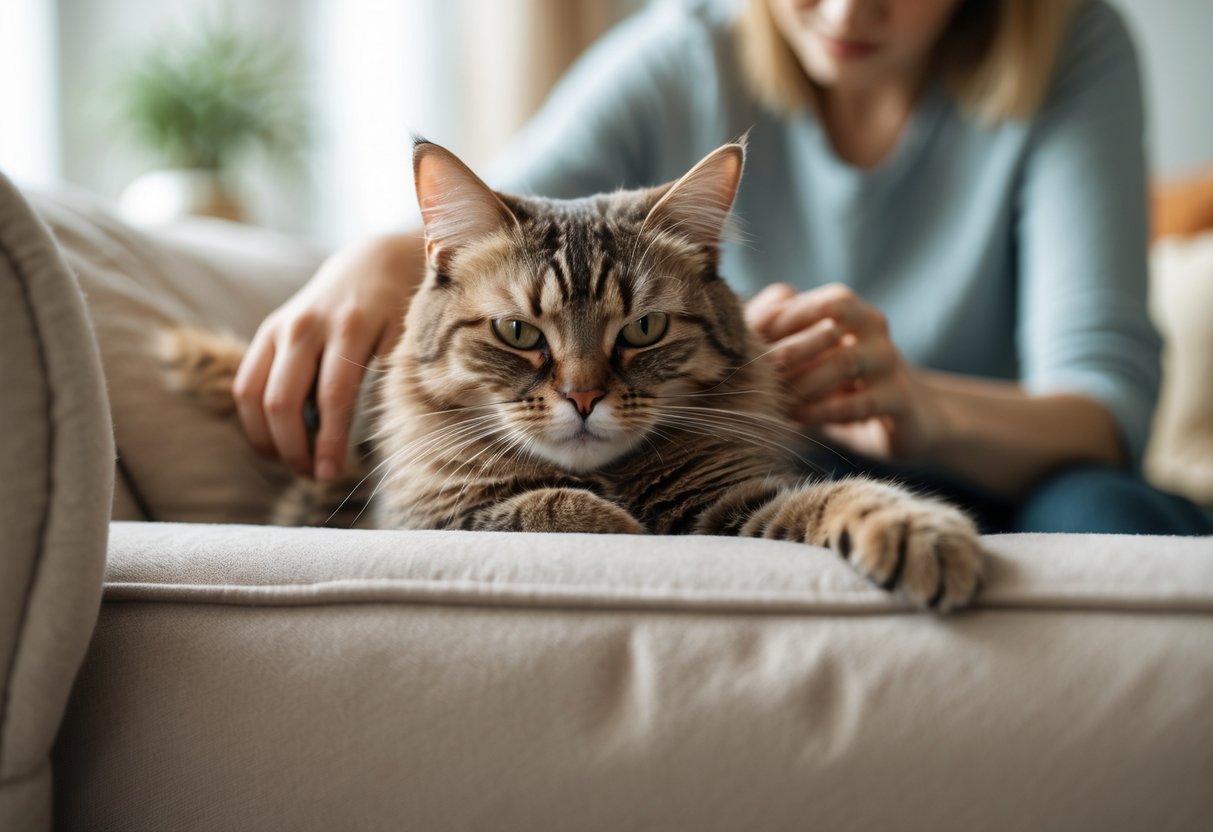
Look for changes in how your cat holds its body. A cat in pain might crouch low or keep a tense posture.
Tail position can also change; a tucked tail may signal distress. Other signs include limping or reluctance to move.
Watch for unusual vocalizations such as growling or yowling, especially when touched. Eyes might appear sunken, or your cat may squint more than usual.
Facial expressions and ear positions can give hints. Flattened ears or a tightened face often show discomfort.
These clues help you identify feline pain that’s not always obvious. Trust your gut if something seems off.
Steps to Take if You Suspect Your Cat is Hurting
If you notice pain signs, keep your cat calm and comfortable. Avoid forcing movements or touching sore areas.
Create a quiet, safe space for rest. Document behavior changes and physical signs before visiting the vet.
This helps your vet understand the problem better. Offer fresh water and encourage eating gently, but don’t try to force it.
Keep the litter box clean and easily accessible. Changes in its use can worsen if your cat is in pain.
In the end, being attentive and trusting your instincts goes a long way. Cats may be masters at hiding discomfort, but with a bit of patience and care, you can help them feel safe and supported—maybe even before things get serious. The extra effort is worth it, because your cat deserves to feel their best, even if they’re not telling you something’s wrong.
Veterinary Approaches to Feline Pain Management
Your vet will start with a thorough exam to figure out what’s causing your cat’s pain. Sometimes they’ll need tests like blood work or X-rays, which can feel a bit daunting if you’re not sure what to expect.
Treatment really depends on the diagnosis, but pain relief medication is often at the center of it. Vets tend to use drugs made just for cats, aiming to keep side effects to a minimum.
Besides meds, your vet might talk about tweaking your cat’s diet, adding gentle exercise, or making some changes around the house. These adjustments can make a surprising difference in helping your cat heal.
It’s important to follow whatever instructions your vet gives you—yes, even the ones that seem a little nitpicky. If you notice any new or worsening symptoms, don’t wait to check in with them.
Honestly, solid veterinary care is the backbone of managing feline pain. It can be tough seeing your cat uncomfortable, but with the right support, their quality of life really can improve.
At the end of the day, working closely with your vet and staying attentive to your cat’s needs is the best way to help them feel better. Every cat deserves that chance to be comfortable and happy again.