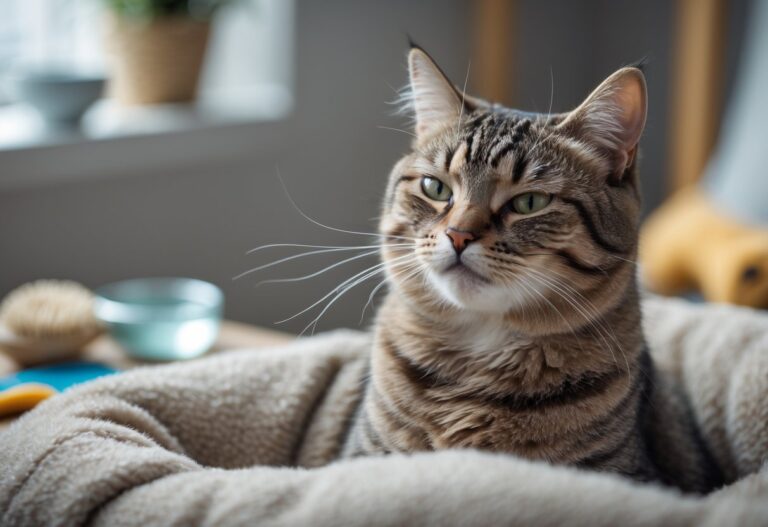
Cats are famous for a lot of things — knocking stuff off tables, judging your life choices from across the room, and being absolute masters at hiding pain. That last one isn’t a personality quirk. It’s survival instinct. In the wild, a visibly injured or sick animal is an easy target, so cats evolved to mask discomfort as long as possible. Which is great for their ancestors avoiding predators, and not so great for you trying to figure out if something’s actually wrong.
The most reliable way to tell if your cat is in pain is to watch for small changes in behavior, posture, and daily habits rather than waiting for obvious signs like limping or crying out. By the time a cat is openly showing distress, they’ve often been dealing with it for a while already. Here are 12 subtle signs worth paying attention to.
1. A Sudden Change in Grooming Habits
Cats groom constantly, so changes here are a big tell. Pain can cause a cat to over-groom one specific area (often trying to soothe it) or stop grooming altogether, leading to a scruffy, unkempt coat. If your usually pristine cat suddenly looks like they’ve given up on self-care, it’s worth paying attention.
2. Hiding More Than Usual
Occasional alone time is completely normal cat behavior. But a cat who suddenly starts hiding for long stretches, avoiding family interaction, or retreating to unusual spots (under the bed, behind furniture) may be doing so because moving around, or being touched, hurts.
3. Changes in Posture
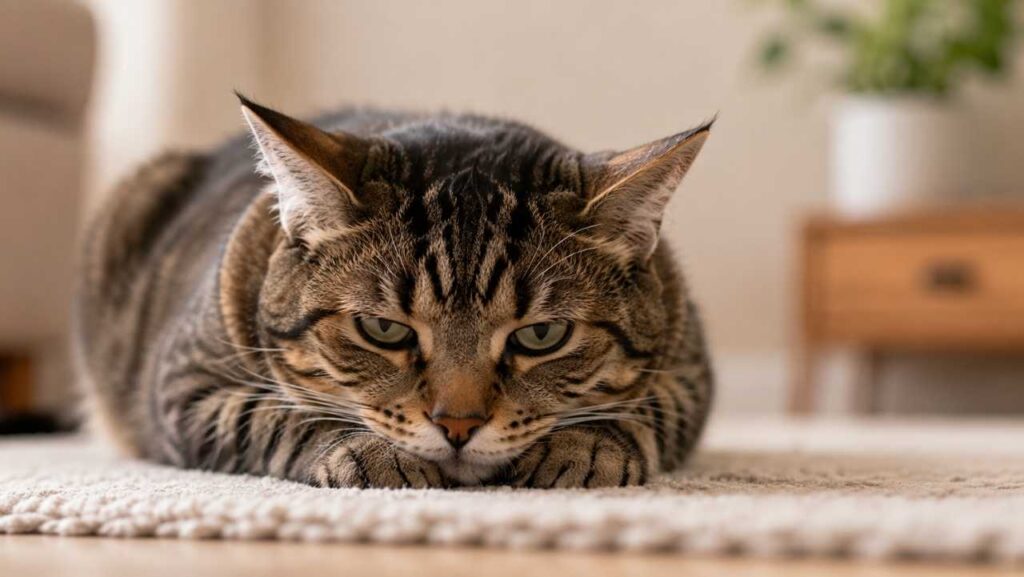
A cat in pain often adopts a hunched posture, with their body tucked in and head lowered, even when just sitting normally. Watch for a cat who looks “smaller” than usual or holds themselves stiffly instead of in their typical relaxed sprawl.
4. Reduced Appetite or Interest in Food
Cats are creatures of habit, so a cat who suddenly turns their nose up at a favorite meal — especially if it’s paired with other changes — could be dealing with pain, particularly dental pain, that makes eating uncomfortable.
5. Avoiding the Litter Box (or Missing It Entirely)
If your cat starts avoiding the litter box, or has accidents just outside it, don’t assume it’s purely a behavior problem. Getting in and out of a box, especially one with high sides, can be painful for a cat with joint pain or arthritis. This is one of the most commonly missed signs, since it usually gets chalked up to “bad behavior” first.


6. Reluctance to Jump or Climb
A cat who used to leap onto the counter without a second thought but now hesitates, takes a run-up, or avoids jumping altogether may be dealing with joint pain. This is especially common in older cats with arthritis, and it’s easy to mistake for “just getting lazy” when it’s actually discomfort.
7. Changes in Purring
Purring isn’t only a happy sound — cats also purr as a self-soothing mechanism when stressed or in pain. If your cat is purring in situations that don’t seem particularly cozy (like while sitting stiffly or avoiding movement), it might be a coping response rather than contentment.
8. Increased Irritability or Aggression
A normally easygoing cat who suddenly starts hissing, swatting, or reacting badly to being picked up or touched in a specific spot may be guarding a painful area. This isn’t your cat suddenly developing an attitude problem — it’s often a direct response to touch that hurts.
9. Squinting or Changes in the Eyes
Pain, especially chronic pain, can show up on a cat’s face. Watch for squinted eyes, a furrowed brow-like expression, or eyes that seem half-closed even when your cat isn’t sleepy. Vets sometimes use facial expression scales specifically because cats communicate discomfort through subtle facial cues.
10. Excessive Vocalization (or Going Unusually Quiet)
Some cats in pain become more vocal, meowing or yowling more than usual, especially at night. Others go the opposite direction and become unusually quiet and withdrawn. Either direction, if it’s a noticeable change from their normal “voice,” is worth paying attention to.
11. Changes in Sleep Patterns or Location
A cat who suddenly starts sleeping in different spots, sleeping more overall, or seems restless and unable to settle may be uncomfortable in their usual sleeping position. This is particularly common with joint or abdominal pain, where certain postures become harder to maintain.
12. A Tucked or Tense Tail
Tail position says a lot about a cat’s internal state. A tail held low, tucked tightly against the body, or unusually still (instead of its normal expressive movement) can be a sign of discomfort, especially when paired with other changes on this list.
Why These Signs Get Missed So Often
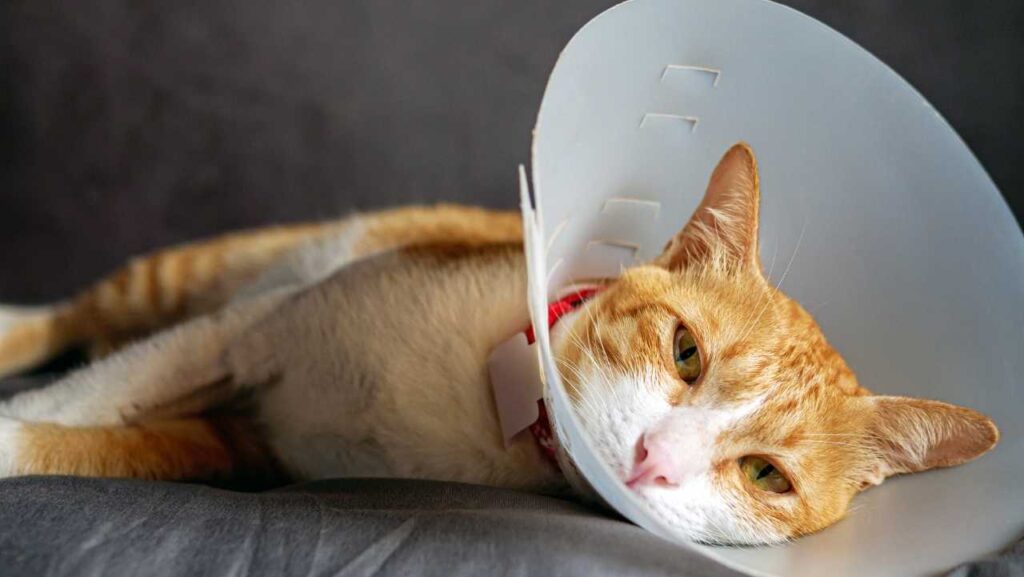
Individually, most of these signs are easy to explain away. Sleeping more? Cats sleep a lot anyway. Hiding? Maybe they’re just in a mood. Skipping a jump? Probably just being lazy today. The real pattern shows up when you notice several of these happening around the same time, or a clear change from your cat’s normal baseline behavior.
This is exactly why knowing your cat’s normal habits matters so much. A cat who’s always been a bit standoffish isn’t necessarily in pain when they avoid attention — but a normally cuddly cat who suddenly avoids being touched is telling you something.


What to Do If You Notice These Signs
If you spot one or two of these signs occasionally, keep an eye on things. If you notice several at once, or a clear shift from your cat’s usual behavior that lasts more than a day or two, it’s time for a vet visit. Cats can’t tell you in words that something hurts, so a vet exam, and sometimes bloodwork or imaging, is often the only way to pinpoint the actual cause.
It’s always better to get a “false alarm” checked out than to miss something real. Vets deal with anxious cat parents constantly, and most would much rather see a cat that turns out to be fine than miss a cat that genuinely needed help.
The Bottom Line
Cats didn’t get the reputation for being mysterious by accident — a lot of that mystery is really just their instinct to hide vulnerability, even from the people who love them most. Learning to read these subtle signs won’t turn you into a cat psychic, but it will make you a lot better at catching problems early, before they become bigger ones. Your cat may still act personally offended every time you take them to the vet. That part, unfortunately, never really changes.