
Leaving your cat home alone can feel like you’re abandoning a tiny roommate who depends on you for food, entertainment, and opening doors that are already open.
The goal isn’t to create a cat luxury resort (though your cat would support that plan). The goal is to make sure the basics are covered: food, water, safety, light, and clear instructions if someone checks in.
Here are 5 things to set up before you head out, especially if you’ll be gone longer than your usual routine.
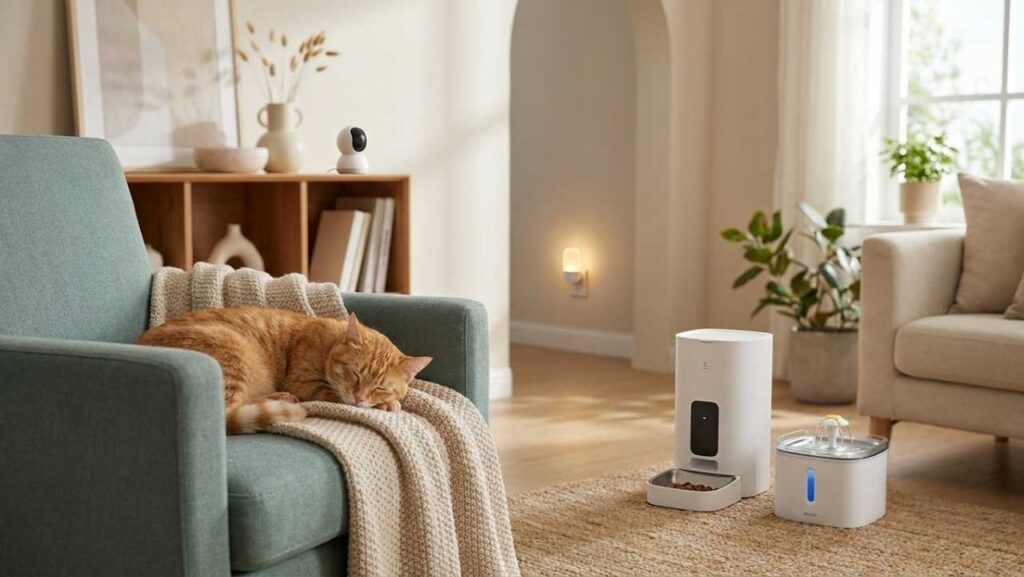
1) An automatic feeder (or pre-portioned meals)
Cats love routine, and meals are a big part of it.
If you’ll be gone during normal feeding times, an automatic feeder can keep things consistent.
What to set up:
- Test it at least once (don’t let the first run be while you’re 300 km away)
- Use a schedule your cat already follows
- Keep a backup plan (extra food + a human check-in if possible)
If you don’t have a feeder, at minimum pre-portion meals for a sitter so “a little extra” doesn’t turn into a surprise diet change.



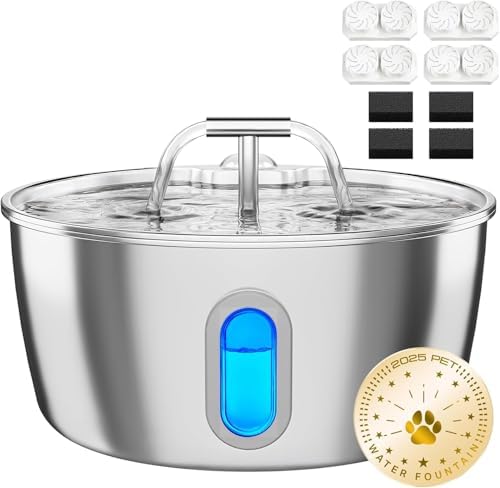
2) A water fountain (or multiple water stations)
Hydration is huge for cats, and bowls can get knocked, spilled, or mysteriously filled with dust bunnies.
A water fountain encourages drinking and gives you a larger reservoir.
What to do:
- Clean it before you go
- Top it up
- If your cat is fountain-suspicious, add 2–3 bowls around the home instead
Quick rule: if you wouldn’t drink from it after two days, your cat probably won’t either.


3) A pet camera (for peace of mind and behavior check-ins)
A camera isn’t essential for your cat — but it’s often essential for your sanity.
It helps you:
- check your cat is moving around normally
- confirm the feeder worked
- spot stress behaviors (hiding all day, pacing, vocalizing)
Setup tips:
- Aim it at the feeder + favorite hangout spot
- Make sure Wi‑Fi is stable
- Turn off loud notifications/sounds if they might startle your cat
Bonus: You’ll probably catch at least one moment of your cat staring into the lens like they’re judging your life choices.
![Furbo 360° Dog Camera + Mini [New Subscription Required at Setup]...](https://m.media-amazon.com/images/I/41uadx092NL._AC_.jpg)


4) A nightlight (or predictable lighting)
Cats can navigate in low light, but a totally dark home can feel less comfortable — especially for:
- kittens
- senior cats
- anxious cats
A simple nightlight in a hallway or near key areas (litter box route, food/water route) can help.
Keep it simple:
- warm, dim light
- no flashing or motion-trigger surprises
If you’ll be gone for days, consider a timer lamp so the home still has a “day/night rhythm.”


5) Clear sitter notes (even if you think it’s obvious)
If someone is checking in — friend, neighbor, sitter — written notes prevent misunderstandings.
Include:
- feeding schedule + exact portions
- where food/litter supplies are
- litter box routine
- favorite hiding spots (so they don’t panic if they can’t “find” the cat)
- what’s normal vs. concerning behavior
- vet info + emergency contact
Pro tip: Put notes somewhere impossible to miss (counter + phone message). In an emergency, nobody wants to scroll through 47 texts.
Quick “before you leave” checklist
- Feeder tested + filled
- Water fountain cleaned + topped up (or extra bowls placed)
- Camera positioned + Wi‑Fi checked
- Nightlight plugged in
- Sitter notes ready + vet info included
Final take
Most cats do fine alone for short periods — but the smoother you make the routine, the less stressed your cat will be (and the less guilty you’ll feel).
Set up the essentials, keep things familiar, and resist the urge to say goodbye for 12 full minutes. Your cat would prefer a quick exit… and a snack.