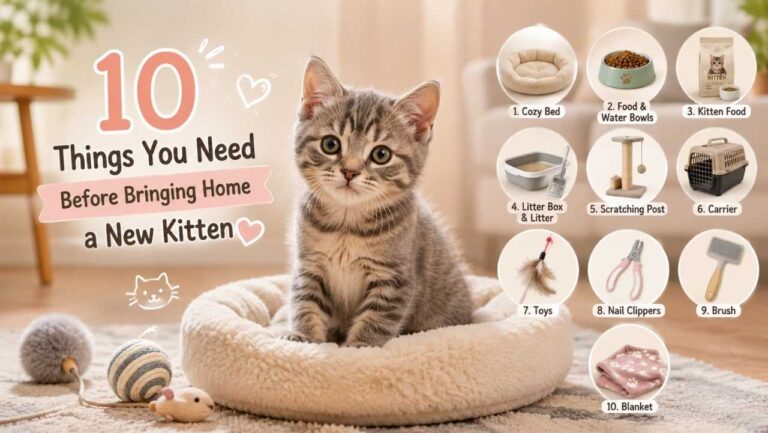
Living with multiple cats is wonderful… until it turns into a reality show called “Who Stole My Spot?”
Most cat “fighting” in multi-cat homes isn’t about dominance — it’s usually about resources: food, water, litter boxes, attention, hiding spots, and safe pathways. When cats feel like they have to compete, stress goes up, and behavior problems follow.
The solution isn’t forcing them to “work it out.” It’s making the environment feel abundant.
Here are 6 things every multi-cat household needs to reduce tension and help your cats coexist more peacefully.
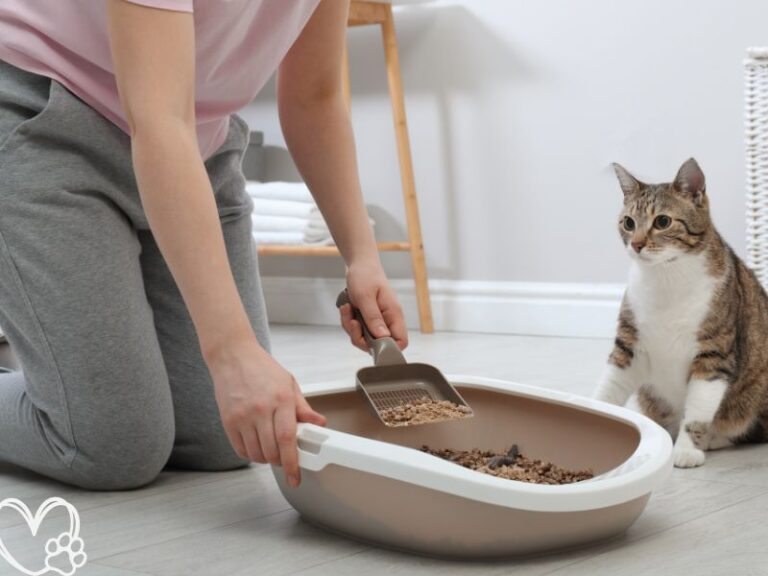
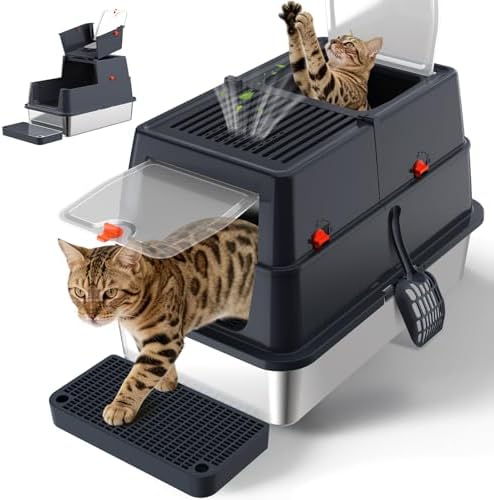
1) Enough litter boxes (and the right placement)
This is the #1 cause of multi-cat stress.
The classic guideline is:
Number of cats + 1 = number of litter boxes
So 2 cats = 3 boxes. 3 cats = 4 boxes. Yes, it feels excessive. No, your cats don’t care about your interior design goals.
Placement rules that matter:
- Spread boxes across different areas (not all in one room)
- Avoid dead-end corners where a cat can get trapped by another
- Keep them accessible (especially for seniors)
When litter access is easy, “bathroom politics” calms down fast.



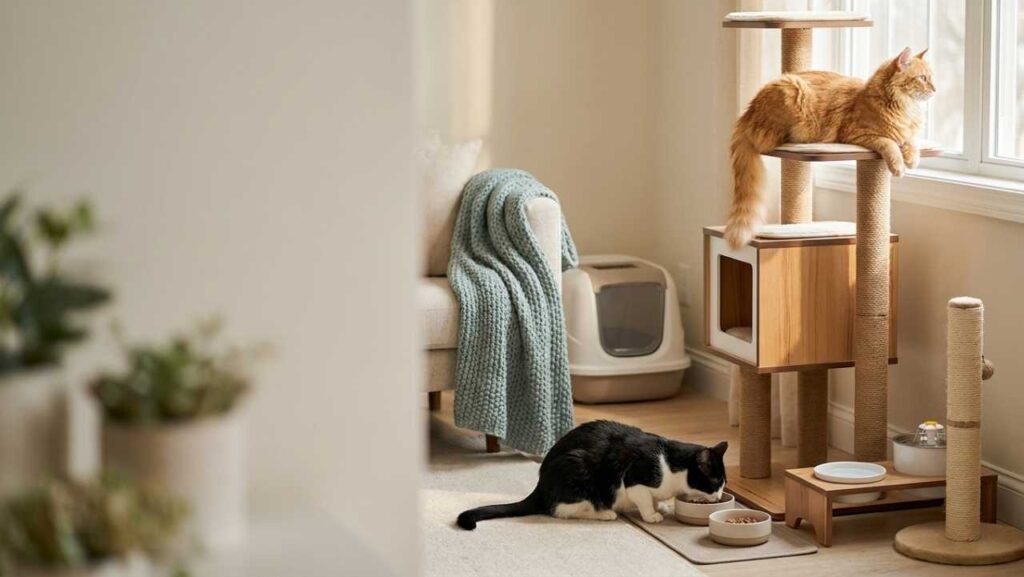
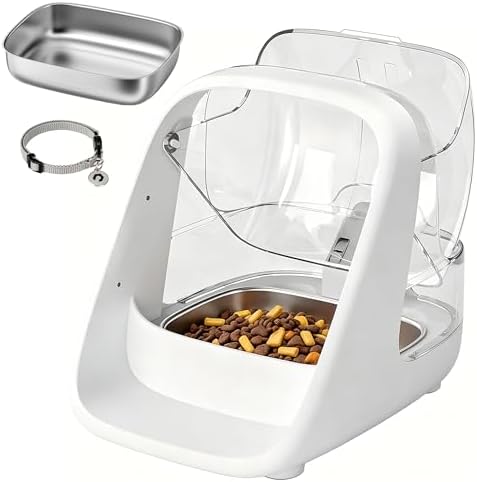
2) Multiple feeding stations (so meals aren’t a competition)
Even cats who “get along” can become tense around food.
What helps:
- Feed in separate spots (different corners or different rooms)
- Use identical bowls if one cat is jealous
- Consider microchip feeders if one cat steals food
If one cat is a slow eater and the other is a vacuum cleaner, separate feeding is basically household peacekeeping.


3) More than one water source (because hydration shouldn’t be guarded)
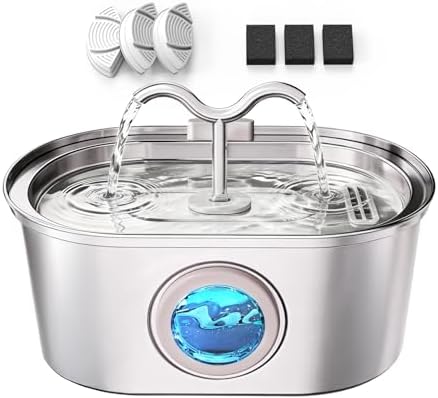
Cats can resource-guard water too — or avoid a bowl if another cat likes to ambush near it.
Ideal setup:
- At least 2–3 water stations
- Spread them out (not right next to food)
- Optional: add a water fountain in one location
Bonus: more water sources often = more drinking, which is great for urinary health.


4) Vertical space (cat shelves, towers, window perches)
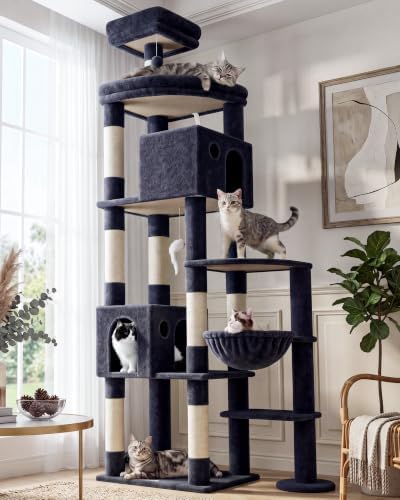
When cats can move up, they don’t have to face each other head-on.
Vertical space gives:
- escape routes
- observation points
- personal space
- fewer hallway stand-offs
Easy wins:
- a tall cat tree in the main room
- a window perch
- shelving or furniture that creates “levels”
If your floor is a crowded subway, the solution is building an upstairs.


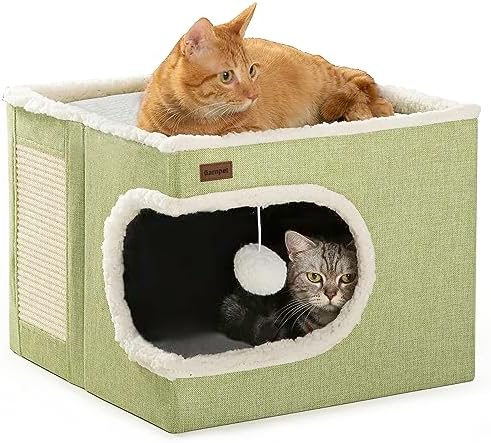
5) Safe resting spots and hiding places (one per cat, minimum)
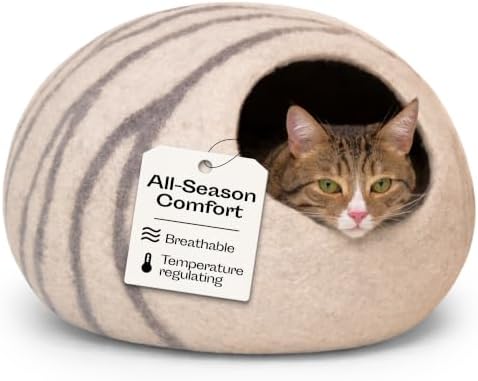
Cats need places where they can relax without being stared at, chased, or “politely bothered.”
Add:
- covered beds / igloo beds
- boxes (yes, boxes count)
- quiet corners
- under-bed access (if safe)
Important: don’t force sharing. In multi-cat homes, the goal is choice.


6) Enrichment + routine (so stress doesn’t turn into drama)
A bored cat is more likely to pick fights or stalk a housemate.
What helps most:
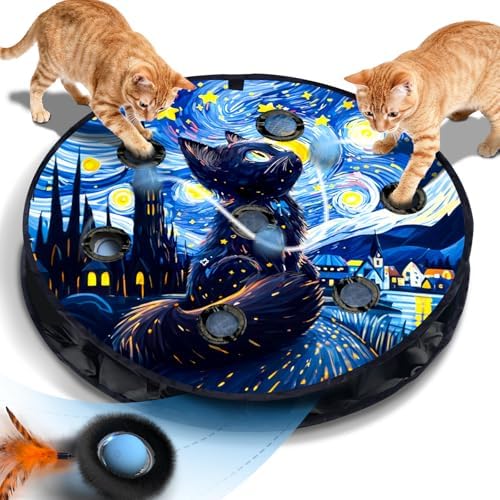
- interactive play (5–10 minutes, 1–2 times/day)
- puzzle feeders
- consistent feeding times
- scratching posts in multiple rooms
Play is especially powerful because it lets cats burn energy in a healthy way — and it redirects “hunting behavior” away from their sibling.


![Interactive Cat Toys for Indoor Cats,[Newly Upgraded] Rechargeabl...](https://m.media-amazon.com/images/I/51qR4cw+OyL._AC_.jpg)
Quick signs your cats are competing for resources
- one cat blocks hallways or doorways
- one cat guards food/water/litter
- litter box avoidance or accidents
- tension at meal times
- hiding more than usual
- increased hissing/growling/swats
If you see these, add resources and spread them out first — it’s often the fastest improvement.
Final take
Multi-cat harmony isn’t about making cats “share nicely.” It’s about making the home feel like there’s plenty: plenty of bathrooms, plenty of food spots, plenty of exits, plenty of rest.
When cats don’t feel like they’re competing, they relax — and relaxed cats are much less interested in starting drama.
And if you’re thinking, “My cats would still fight over one specific chair”… yes. That chair is sacred. Some things are simply beyond us.