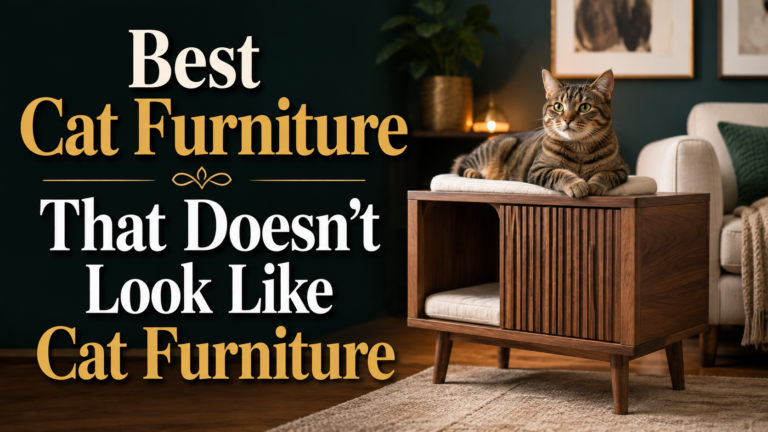
Indoor cats have it good in a lot of ways — no outdoor predators, no traffic, a steady supply of food and warm laps. But they’re also stuck with one major downside: boredom. An indoor cat with nothing to hunt, chase, or investigate will eventually find their own entertainment, and that entertainment usually involves your houseplants, your ankles at 3 AM, or a dramatic sprint through the living room for no visible reason.
The best cat toys for bored indoor cats are the ones that tap into real hunting instincts — chasing, pouncing, and problem-solving — rather than just making noise or looking cute on a shelf. Here’s our ranked list of the toys that actually deliver on that, based on what consistently gets real engagement rather than a sniff and a walk-away.
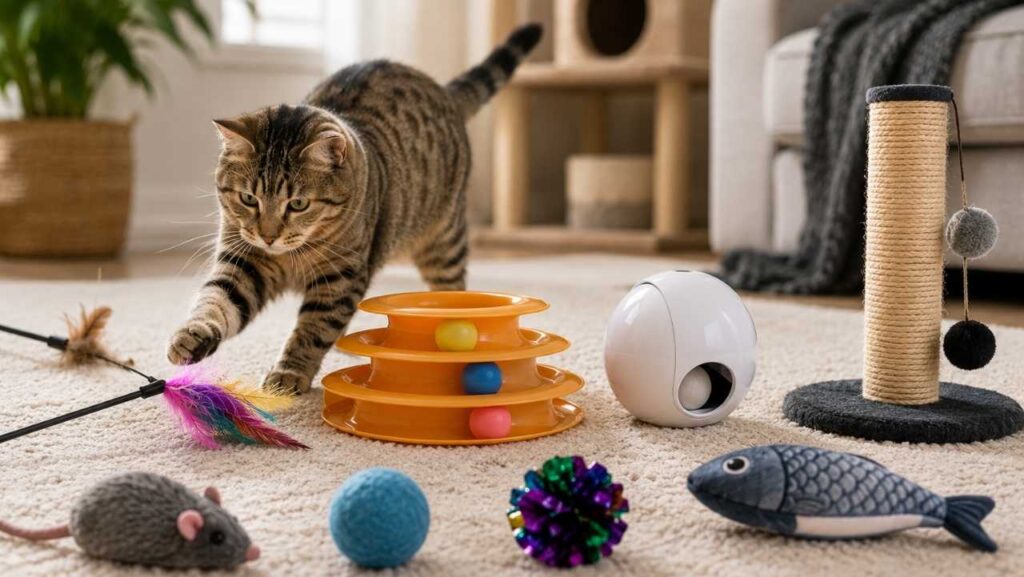
1. Wand Toys (Da Bird / Cat Dancer Style)
If we had to pick one category that never fails, it’s wand toys. The unpredictable, jerky movement of a feather or fabric strip at the end of a string mimics fleeing prey almost perfectly, which is exactly the kind of movement that gets even the laziest indoor cat to snap into full hunt mode.
Why it ranks #1: It requires your involvement, which sounds like a downside but is actually the point — interactive play builds a stronger bond and burns off far more energy than a toy your cat has to entertain themselves with.
Best for: Daily play sessions, burning off pre-bedtime energy, redirecting a cat who’s been eyeing your ankles a little too intently.


2. Puzzle Feeders
Puzzle feeders turn mealtime into a mental workout, requiring your cat to figure out how to get kibble or treats out of a container through batting, nudging, or rolling. This satisfies both the physical hunting instinct and a genuine mental challenge, which plain bowl feeding just doesn’t offer.
Why it ranks #2: Boredom isn’t just physical, it’s mental too, and puzzle feeders are one of the few toys that address both at once.
Best for: Cats who eat too fast, cats left alone during the day, and any cat who seems to need “something to do” beyond chasing a toy for five minutes.


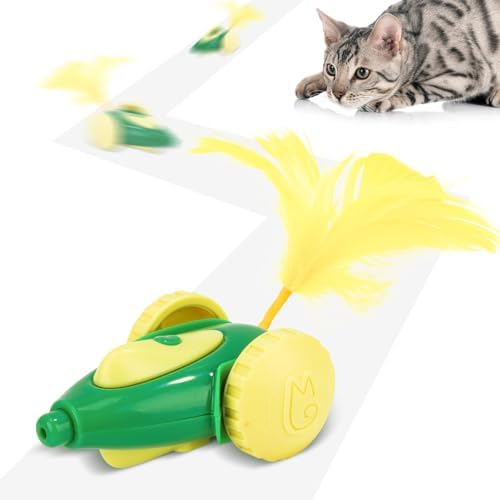
3. Motorized/Robotic Mice
Toys that move on their own — rolling, darting, or scurrying under furniture — appeal to cats’ instinct to chase without needing constant human involvement. They’re especially useful for cats who are home alone for long stretches and need some kind of stimulation beyond staring out the window.
Why it ranks #3: Great for solo play, though most cats do eventually “solve” the pattern of movement and lose interest faster than with a wand toy.
Best for: Cats home alone during work hours, especially paired with a rotating schedule of other toys.


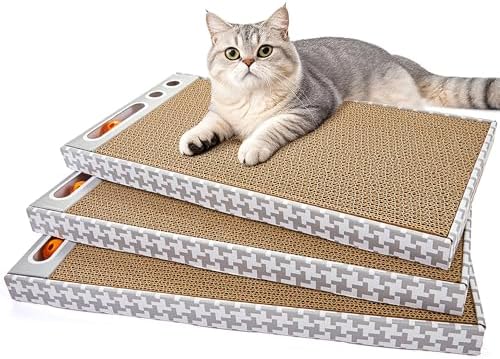
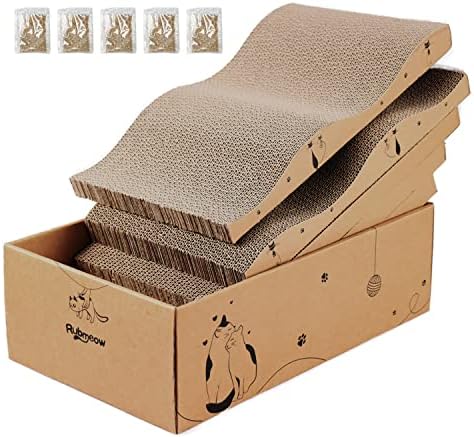
4. Cardboard Scratcher Combos
Simple, cheap, and consistently effective — a flat or ramp-style cardboard scratcher gives cats an outlet for a completely different instinct: scratching. It’s not “chase” enrichment, but it satisfies a natural behavior that otherwise tends to end up directed at your furniture.
Why it ranks #4: Not flashy, but reliably used almost daily by most cats, and priced low enough that replacing a worn-out one isn’t a big deal.
Best for: Redirecting scratching behavior, especially in combination with a nearby wand toy or catnip.

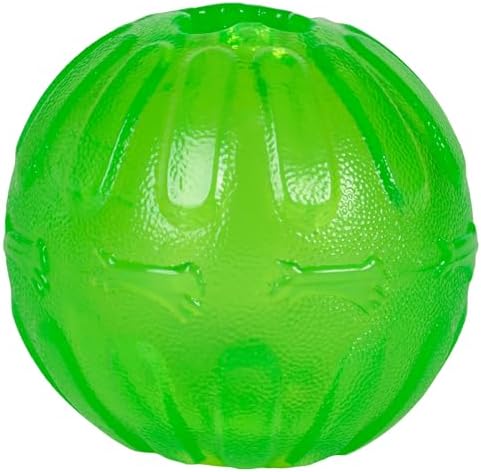
5. Treat-Dispensing Balls
A ball with a small opening that releases treats or kibble as it rolls combines physical activity with a food reward, which is a strong motivator for most cats. It requires a bit of trial and error for cats to learn how it works, but once they do, it becomes a genuinely engaging solo activity.
Why it ranks #5: Effective, but interest can be inconsistent — some cats get obsessed, others lose patience quickly if the treats don’t come out fast enough.
Best for: Food-motivated cats, slow feeding, and adding some movement to an otherwise sedentary day.


6. Catnip-Infused Toys
Not every cat responds to catnip (it’s genetic — some cats simply don’t have the gene for the reaction), but for the ones who do, catnip toys can trigger an entertaining burst of rolling, kicking, and general temporary chaos. It’s less about sustained engagement and more about a short, enthusiastic burst of play.
Why it ranks #6: Fun, but short-lived — most cats lose interest within 10–15 minutes as the effect wears off, and some cats build up a temporary tolerance with frequent exposure.
Best for: Occasional excitement boosts, refreshing older toys by adding a bit of catnip spray, or pairing with a wand toy for a more intense play session.




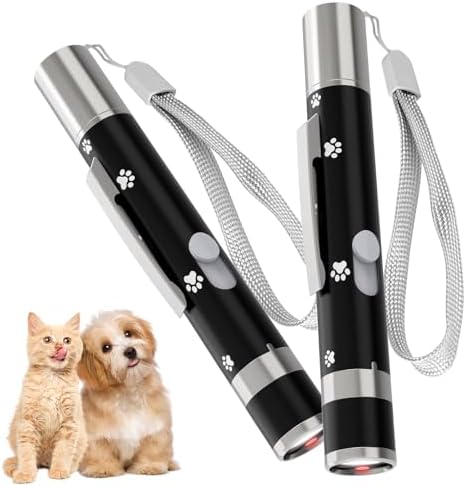
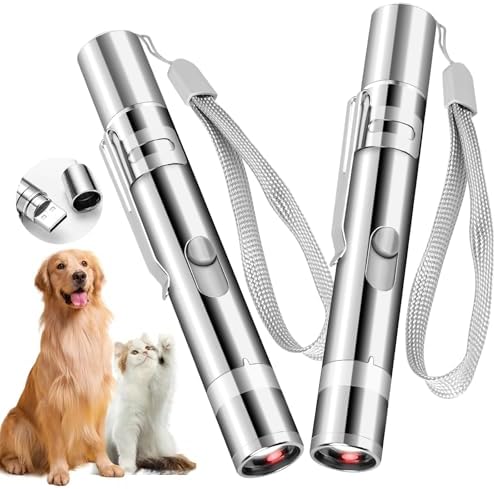
7. Laser Pointers
Laser pointers are effective at getting cats moving, but they come with a well-known downside: cats never actually “catch” anything, which can lead to frustration over time if it’s the only toy in rotation.
Why it ranks #7: Effective for quick bursts of exercise, but should always be followed by a real toy or treat your cat can catch, so the hunting sequence actually gets to finish.
Best for: Quick energy bursts, but pair it with a physical toy at the end of the session so your cat gets that satisfying “catch.”

The Real Secret: Rotation, Not Just Variety
Here’s the thing most people miss: it’s not just about buying more toys, it’s about rotating them. Cats get bored of the same toy sitting out day after day, the same way you’d get bored of eating the same meal every single day even if you liked it initially. Keeping two or three toys out at a time and swapping them weekly keeps everything feeling “new” without needing a constant stream of purchases.
A Quick Note on Safety
A few practical reminders when picking toys:
- Supervise string, feather, and small-part toys, especially with cats who like to chew or swallow things they shouldn’t.
- Check toys periodically for wear, especially anything with small detachable pieces.
- Store wand toys out of reach when not supervised, since the string can be a choking or intestinal hazard if chewed and swallowed.
The Bottom Line
A bored indoor cat isn’t a lost cause — it just means their environment needs a bit more variety and a bit more interaction. Wand toys and puzzle feeders top this list for a reason: they tap directly into instincts your cat already has, rather than trying to invent new ones. Add in a rotation schedule and a few different toy types, and you’ll likely notice less 3 AM chaos and a lot more contented napping. Your cat may still find a way to be dramatic about something. Some things, unfortunately, no toy can fix.