Cat obesity is way more common than most people think — and no, it’s not just a “fluffy” aesthetic. A little extra padding might look cute in photos, but carrying too much weight can quietly chip away at your cat’s health, comfort, and energy. The good news? With the right plan (and a little patience), most cats can slim down safely without turning your home into a daily episode of Food Protest: The Musical.
Why cat obesity is a big deal (beyond the jiggle)
Extra body fat isn’t just stored “in case of winter.” It affects how a cat’s whole body works.
Here are the most common risks:
- Diabetes: Overweight cats are more likely to develop insulin resistance.
- Arthritis and joint pain: Extra weight means extra pressure on hips, knees, and spine — and cats are very good at hiding pain.
- Heart and breathing strain: More mass = more work for the heart and lungs (especially in older cats).
- Liver problems: Cats can develop serious liver issues if weight changes happen too fast in either direction.
- Lower quality of life: Less playing, less jumping, more sleeping — and not always the cozy kind.
If your cat used to leap onto the couch like a superhero and now approaches it like it’s Mount Everest, weight may be part of the story.
How to tell if your cat is overweight (without a fancy scale)
You don’t need a vet clinic in your living room to do a basic check.
Try these simple “body condition” clues:
- Ribs test: You should be able to feel your cat’s ribs easily with gentle pressure, like feeling knuckles under a glove. If you have to press hard, there may be extra fat.
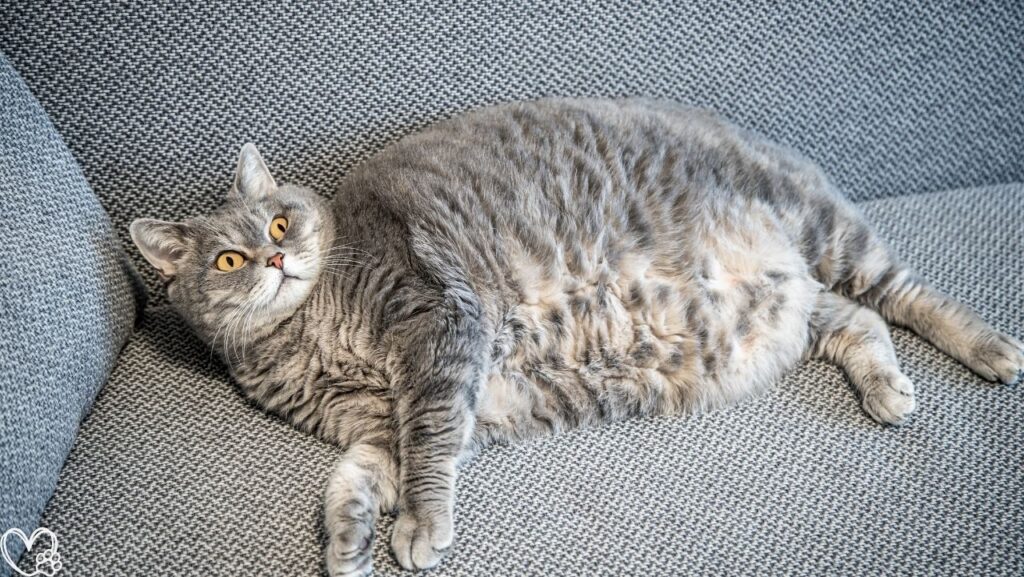
- Waist test (top view): Looking down at your cat, there should be a slight waist behind the ribs. If your cat looks like a fuzzy football, that’s a hint.
- Tummy tuck (side view): Most cats have a little upward tuck behind the ribcage. A big drooping belly can mean extra fat (or sometimes a normal “primordial pouch,” so don’t panic — just consider the full picture).
If you’re unsure, a quick vet visit can confirm your cat’s ideal weight and set a safe target.
What causes cat obesity? (Spoiler: it’s not “lazy cat energy”)
Most overweight cats aren’t overeating because they’re “bad.” It’s usually a mix of modern indoor life, food that’s easy to over-serve, and a cat who has mastered the art of looking emotionally abandoned when the bowl is half full.
1) Free-feeding
Keeping a full bowl out all day makes it easy for cats to snack constantly — especially bored indoor cats.
2) Portion sizes that creep up
Many people pour food by eye. Unfortunately, the “by eye” method tends to grow over time. (So does the cat.)
3) Treat overload
Treats are tiny… but calories add up fast. Some cats can gain weight on a handful of treats a day, especially if they’re already eating full meals.
4) Indoor boredom
A cat who has nothing to do will often do the only hobby available: thinking about food.
5) Neutering, age, and metabolism changes
After neutering/spaying, many cats need fewer calories. Older cats may also move less, which means their “maintenance calories” drop.
6) Medical issues
Sometimes weight gain is linked to health problems or medications. That’s one reason it’s smart to involve a vet early.
The #1 rule: never crash-diet a cat
This is important: cats should not lose weight too quickly. Rapid weight loss can trigger a dangerous condition called hepatic lipidosis (fatty liver disease), especially if a cat stops eating.
So if your cat suddenly refuses food because you “cut portions dramatically,” that’s not willpower — it’s a medical risk. Safe weight loss is gradual and steady.
Safe weight loss tips that actually work (and keep everyone sane)
1) Start with a vet check (even a quick one)
Ask your vet:
- What is my cat’s ideal weight?
- How much weight is safe to lose per week?
- What daily calories should my cat eat?
- Are there medical reasons for weight gain?
This takes the guessing game out of it.
2) Measure food like you mean it
Use a measuring cup or (even better) a kitchen scale. It sounds dramatic, but it’s the easiest “small change” that creates real results.
Pro tip: Don’t just follow the bag blindly. Feeding guides are often generous. Your vet can help you adjust.
3) Switch from free-feeding to planned meals
For many cats, 2–4 small meals per day works well. This helps with hunger cues and prevents constant snacking.
If your cat acts offended by an empty bowl, try:
- Smaller, more frequent meals
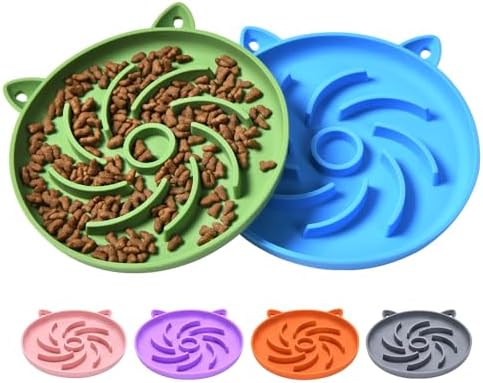
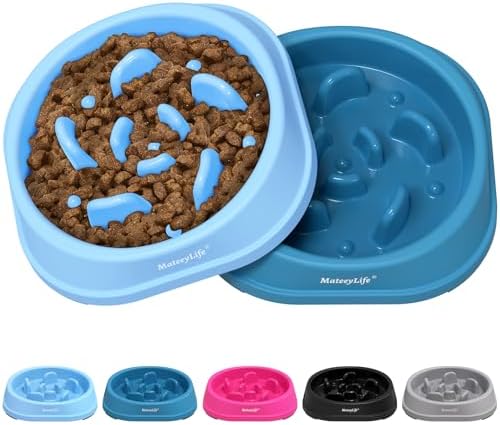
- Puzzle feeders (more on that below)
- Adding play sessions right before meals

4) Upgrade the food strategy (not just “less food”)
Sometimes feeding less of the same calorie-dense food leaves cats feeling hungry and cranky.
Ask your vet about:
- Weight-management formulas
- Foods with higher protein and appropriate fiber
- Wet food options (often more filling for fewer calories, depending on the formula)
Also: avoid sudden switches. Transition gradually over 7–10 days to protect your carpet.
5) Treat smarter, not more
Treats can stay — just get strategic.
- Use treats as part of the daily calorie budget, not “bonus calories from the sky.”
- Break treats into tiny pieces. Your cat won’t know you committed snack shrinkflation.
- Try using a few pieces of regular kibble as “treats” if your cat accepts it.
6) Add movement in a cat-friendly way
“Just exercise more” is unhelpful advice — for humans and cats. Cats need short bursts.
Try:
- Wand toy sprints: 5 minutes, 1–2 times a day
- Laser pointer: Finish with a physical toy or a treat so your cat “catches” something
- Food toss game: Toss a few kibbles down the hallway so your cat walks (and possibly struts) to get them
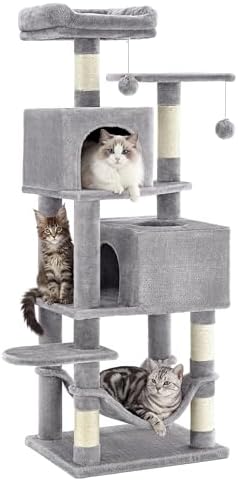
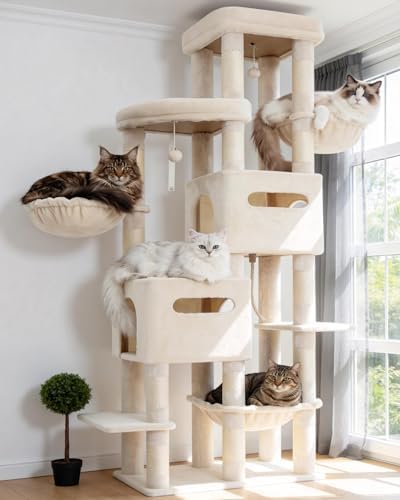
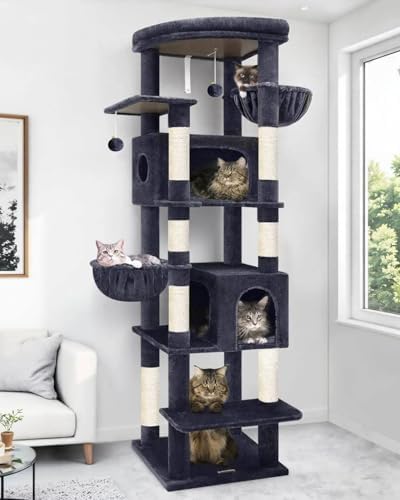
- Climbing options: Cat trees or shelves encourage natural movement


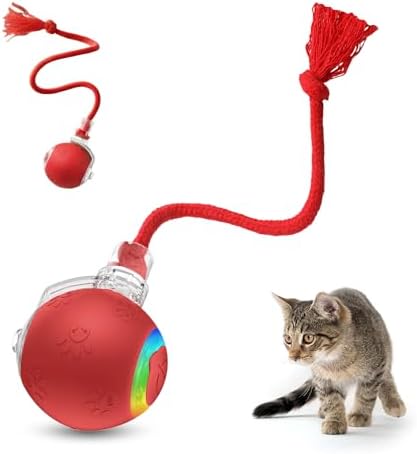
If your cat is very overweight, start slow. Even gentle extra walking is progress.
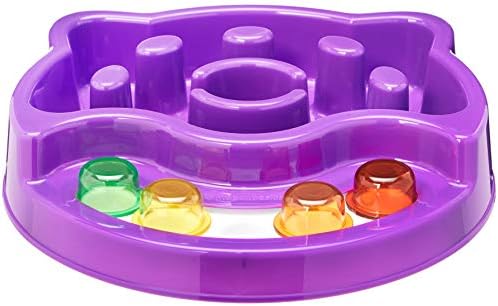
7) Use puzzle feeders and “hunt” meals
Puzzle feeders turn eating into a game and slow down fast eaters. They also fight boredom — which is basically the root of half of indoor cat problems.
Start easy and level up as your cat gets the hang of it.

8) Track progress, but don’t obsess
Weigh-ins can be done:
- At the vet
- With a baby scale
- Or by weighing yourself holding your cat (not perfect, but useful)
What you’re looking for is steady, slow loss, not dramatic drops. If progress stalls for weeks, your vet can help you adjust calories.
Common mistakes to avoid
- Cutting food too much, too fast
- “Healthy” treats that are still high-calorie
- Only focusing on food, not activity
- Letting one family member “secretly snack” the cat
- Giving up after a week (cats do not become runway models in seven days)
Think of it like turning a slow ship: tiny, consistent changes win.
What a realistic timeline looks like
Healthy weight loss can take weeks to months depending on how much weight your cat needs to lose. That’s normal. Slow progress is safer and more sustainable — and it protects your cat’s liver and overall health.
Celebrate the small wins:
- More playful bursts
- Easier jumping
- Better grooming
- Improved mood and energy
FAQ: Cat obesity and weight loss
How fast should my cat lose weight?
Slowly. Your vet can give a safe goal, but gradual loss is the target — not rapid dieting.
Should I stop treats completely?
Not necessarily. It’s usually better to reduce treats, make them smaller, and count them as part of the daily calories.
Is wet food better for weight loss?
It can be, depending on the formula. Some cats feel fuller on wet food, but the best choice depends on calories, protein, and your cat’s needs.
My cat cries for food all the time — what do I do?
Try smaller, more frequent meals, puzzle feeders, and play before meals. Also double-check calories with your vet — some cats are loud even when fed correctly.
Can I put my cat on a “fast” day?
No. Cats should not go without food to force weight loss. If your cat won’t eat, contact a vet.
Your goal isn’t a skinny cat. It’s a comfortable, active cat who can play, jump, groom, and enjoy life — without carrying around a heavy “winter coat” all year. And if your cat gives you the classic “you’re starving me” look? Congratulations. You’re living with a world-class actor.