
It’s easy to assume your home is safe, but honestly, everyday stuff can put your cat at risk in ways you might not expect. Toxic plants, cleaning products, loose cords, tiny objects, and even falling hazards—these things can cause trouble before you even notice.
Take a few minutes to spot and remove the most common household risks to help prevent accidents and keep your cat healthy.
This article highlights the hazards you might not have thought about and shares straightforward cat-proofing tips you can start using right away. You’ll find simple safety checks, what to move or secure, and practical steps to make your home less risky for your cat.
Hidden Home Safety Hazards for Cats
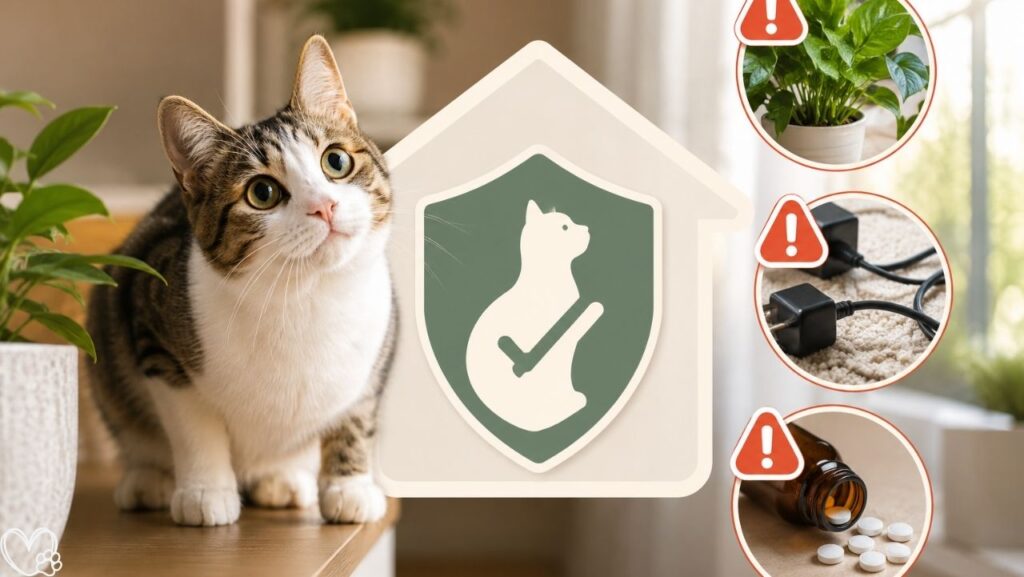
Some everyday items can poison, burn, electrocute, or even choke your cat. It’s important to recognize which plants, cleaners, cords, foods, and medicines can do real harm so you can prevent emergencies before they happen.
Toxic Household Plants
Common houseplants—lilies, philodendron, pothos, sago palm—can be dangerous if your cat chews them. Lilies (all types) can cause sudden kidney failure in cats, even with tiny exposures.
Sago palm seeds are especially bad and can lead to liver failure or worse. Not exactly what you want for your furry friend.
- Remove or put dangerous plants far out of reach.
- Try taller shelves or closed terrariums for your safer plants.
- If your cat munches a plant, call the ASPCA Animal Poison Control Center or your vet, and bring a photo of the plant if you can.
Cleaning Products and Chemicals
Bleach, ammonia, drain cleaners, and a surprising number of sprays can irritate skin, eyes, and lungs—or poison your cat if swallowed. Concentrated products like toilet bowl or oven cleaners can burn tissue in no time.
- Store chemicals in locked cabinets or up high.
- Rinse surfaces after cleaning and keep your cat away until everything’s dry.
- Never mix cleaners (like bleach and ammonia)—the fumes are seriously dangerous. If you think your cat got into any of these, call the ASPCA Animal Poison Control Center and your vet right away.
Electrical Cords and Appliances
Cats sometimes chew cords or hide near appliances. Chewing can expose wires and lead to burns, shocks, or even fires. Little paws can get caught in washers, dryers, or behind TVs—definitely not ideal.
- Cover cords with wraps, cord shorteners, or conduit.
- Unplug and stash small appliance cords when not in use.
- Check washers and dryers before running them, and keep lids and doors closed. If your cat gets shocked—burns, drooling, weakness, or seizures—get to the vet immediately.
Dangerous Foods and Medications
Some human foods and everyday meds are just plain bad for cats. Onions, garlic, grapes, raisins, chocolate, xylitol—these can cause anemia, kidney failure, or hypoglycemia. Even a little acetaminophen or ibuprofen is extremely toxic.
- Don’t feed table scraps with garlic, onion, or sweets.
- Keep all medications in childproof containers and out of reach.
- If your cat eats a pill or something toxic, call your vet or the ASPCA Animal Poison Control Center immediately. Watch for vomiting, lethargy, pale gums, or trouble breathing—these might mean a life‑threatening emergency.
Effective Cat-Proofing Tips and Safety Strategies
Block off danger zones, lock up small or toxic stuff, and give your cat safe places to climb and play. That way, they’re less likely to get into trouble.


Cat-Proofing Windows, Doors, and Balconies
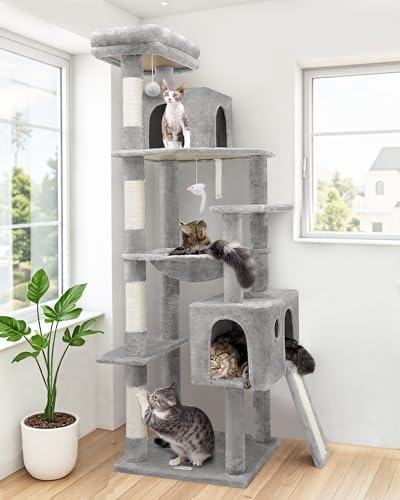
Install sturdy screens and window stops so your cat can’t slip through or take a tumble. Metal or heavy-duty mesh screens work best, and you’ll want to check them weekly for any gaps or wear.
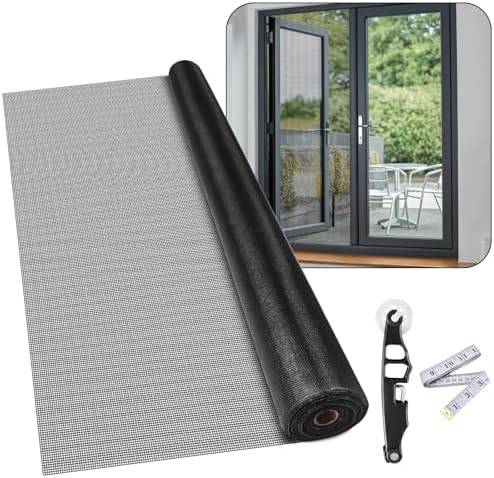


For windows that open inward, try sliding-window locks or limiters to keep them from opening too wide. Balcony doors should stay locked unless you’re right there. If you use a balcony, a fully enclosed catio with strong mesh and no footholds is the safest bet.
Remove or secure balcony plants that are toxic or easily dug up. For exterior doors, adding kick plates and sealing gaps underneath helps keep your cat from sneaking out. Remind family to close doors behind them, or just carry the cat if you’re coming and going.
Safe Storage and Home Organization
Keep cleaning products, meds, and chemicals in high, locked cabinets. Use child-proof latches or magnetic locks if you’ve got lower cabinets your cat can reach.


Bags, boxes, and plastic wraps should be sealed or put away—cats can suffocate or swallow bits. Group toxic items in one labeled area so it’s easy to spot hazards.
Move breakables and heavy things off low shelves, and anchor tall furniture to the wall in case your cat decides to climb. Fragile decor should go on high shelves or behind closed doors.
Use clear containers for small parts like batteries, rubber bands, and sewing stuff. Label them and keep the lids tight. Quick scans of countertops and floors can help you catch anything a cat might try to eat.
Reducing Small Object and String Risks
Pick up little things like hair ties, paper clips, and pen caps after you use them. Sewing kits, yarn, fishing line, and ribbon should stay zipped or lidded and out of reach.
If your cat eats string or thread, it can cause a life-threatening blockage—seriously, don’t risk it. Supervise any play with string toys and put them away when you’re done.
Switch out long, dangly toys for wands with short, securely tied ends. Check toys for loose parts and remove anything that could break off. Use a lint roller or hand vacuum to grab stray bits on the floor.
Remind guests not to leave small stuff on tables or dressers. A quick daily sweep can catch secret hazards before your cat does.
Keeping your cat safe at home isn’t about making your place look like a fortress—it’s about spotting the sneaky risks and making a few smart changes. With a little effort and some regular checks, you can relax knowing your cat has a safer, happier space to explore. Honestly, peace of mind is worth it, right?
Creating Safe Spaces and Enriching Environments
Give your cat approved climbing options like tall cat trees or wall shelves. An indoor catio can be a game changer if you’ve got the space—honestly, they’ll love it.


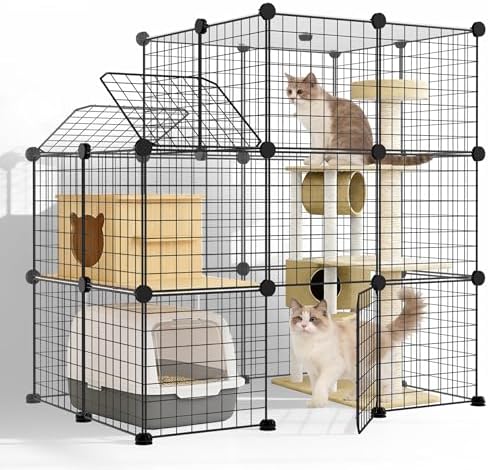
Place scratching posts near favorite resting spots to protect your furniture. It’s smart to mix up textures and heights; cats get bored if everything feels the same.


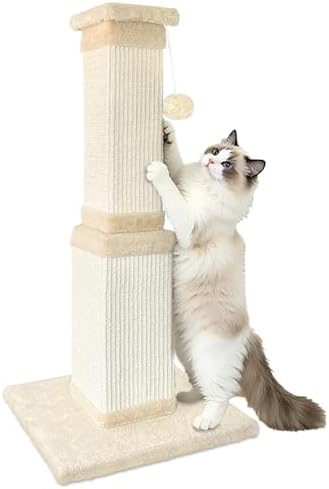
Offer hiding spots with enclosed beds or even just a cardboard box—simple, but they’ll use it. Reducing stress is half the battle with cats.
Puzzle feeders and timed feeders can slow down fast eaters and add a bit of mental challenge. I’d say rotating toys every week or so keeps things interesting for them (and maybe for you, too).


Put water bowls and litter boxes in quiet, easy-to-reach spots, away from noisy appliances. If you’ve got more than one cat, multiple litter boxes are pretty much a must.
Safe, predictable areas help prevent your cat from wandering into hazardous zones. It’s not foolproof, but it really cuts down on trouble.
At the end of the day, creating a safe and stimulating space isn’t just about ticking boxes—it’s about paying attention to what makes your cat feel comfortable and happy. Try a few ideas, see what works, and don’t be afraid to get a little creative along the way. Your cat will thank you (well, in their own mysterious way).