You hand your cat a brand-new catnip toy. She sniffs it once, gives you a look of polite disappointment, and walks away. Meanwhile, your neighbor’s cat is rolling around on the floor like a tiny, furry maniac over the exact same herb. What gives?
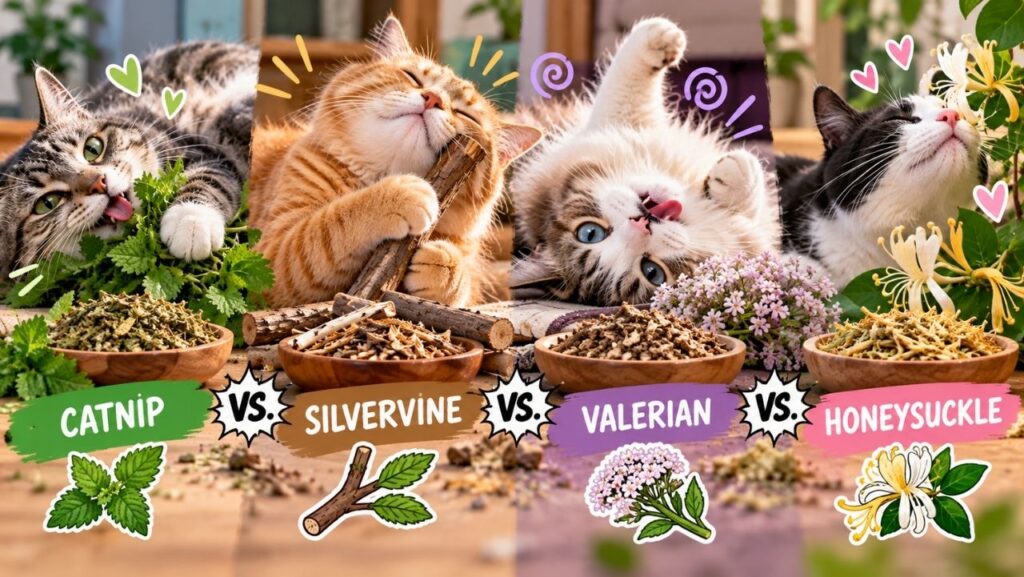
Silvervine is the most likely to excite cats overall, since studies suggest it works on a larger share of cats than catnip does, including many who ignore catnip completely. Catnip is still the classic, valerian is the stinky wild card, and honeysuckle wood is the mellow, long-lasting option. The “craziest” winner depends on your cat’s brain, because this is all about genetics, not willpower. Let’s meet the contenders.
Why Do Cats Go Wild for Plants, Anyway?
These plants contain natural compounds that cats detect through smell, and they trigger a euphoric, playful, sometimes sleepy reaction. For catnip, the compound is called nepetalactone. Silvervine contains similar compounds, and valerian and honeysuckle have their own scented chemistry.
Researchers also think the reaction may have a practical side. Some studies suggest these plants may help repel mosquitoes, so your cat’s rolling around in the garden might be accidental bug spray. Your cat, of course, believes it’s simply fabulous.
Contender #1: Catnip
The classic. Catnip is a member of the mint family, and it’s the best known of the bunch.
What it does: About 50 to 70 percent of cats respond to catnip, according to commonly cited estimates, and responsiveness is largely inherited. A typical reaction looks like rolling, rubbing, drooling, zooming around, vocalizing, and then flopping into a blissed-out nap.
How long it lasts: Usually 5 to 15 minutes. After that, most cats lose interest and need a break of an hour or more before it works again.
Who it doesn’t work on: Kittens under a few months old generally don’t react, and a decent chunk of adult cats simply don’t have the response.
Craziness rating: High, for the cats who respond. Think zoomies, bunny-kicks, and dramatic floor rolls.
Best for: First-time tryers, and most cats.


Contender #2: Silvervine
The overachiever. Silvervine (also called matatabi) is a plant that grows in the mountains of Asia, and it’s been getting a lot of attention lately.
What it does: In one well-known study, a large majority of cats that didn’t respond to catnip reacted to silvervine. Many owners report even stronger reactions than with catnip: drooling, rubbing, rolling, and very enthusiastic chewing. It’s often sold as powder, sticks, or in toys.
How long it lasts: Typically 10 to 30 minutes, though it varies from cat to cat.
Who it works on: Many cats who snub catnip, which makes it the go-to for “my cat doesn’t react to anything” owners.
Craziness rating: Very high. This is the one that tends to turn dignified cats into gleeful gremlins.
Best for: Catnip non-responders, and owners who want a bigger reaction.


Contender #3: Valerian
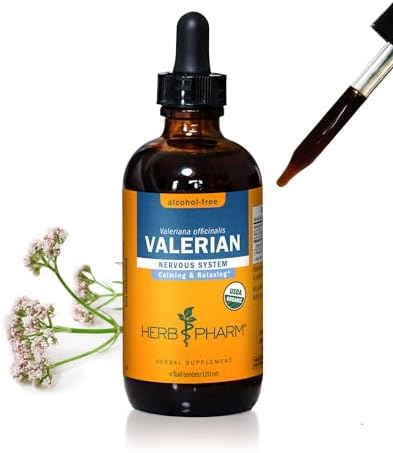
The smelly one. Valerian root is best known as an herbal remedy for people, and it has a strong, earthy, sweaty-socks smell that humans often find unpleasant. Cats, on the other hand, find it fascinating.
What it does: Some cats get very excited by valerian, with rubbing, rolling, and playful behavior similar to catnip. Others react very little. Reactions vary a lot from cat to cat, and some cats find it more calming than wild.
How long it lasts: Usually a short burst, similar to catnip.
Who it works on: A smaller group than catnip or silvervine, but it can work on cats that ignore both.
Craziness rating: Medium to high, depending on the cat. Also, medium to high on the smell scale.
Best for: Owners who want to try another option for a catnip-proof cat, and who don’t mind the smell.


Contender #4: Honeysuckle (the Wood, Not the Whole Plant)
The mellow classic. Certain types of honeysuckle wood, such as Tatarian honeysuckle, are sold as chew sticks for cats.
What it does: Cats rub their faces on it, chew it, and generally act pleasantly intoxicated. The reaction tends to be gentler than catnip or silvervine, but some cats are devoted fans.
How long it lasts: The wood holds its scent for a good while, so the sticks can be used for chewing repeatedly.
Who it works on: Some cats who ignore catnip, though results vary.
Craziness rating: Low to medium. More “chilled-out chewer” than “Tasmanian devil.”
Safety warning: Don’t hand your cat a random honeysuckle from the garden. Some honeysuckle plants (including the leaves and berries) can be harmful if eaten. Stick to products made specifically for cats, such as honeysuckle wood sticks.
Best for: Cats who like to chew, and owners looking for a longer-lasting, low-key option.


The Showdown: Which One Wins?
| Plant | Typical Reaction | Works On | Craziness |
|---|---|---|---|
| Catnip | Rolling, zoomies, drooling | Many, but not all | High |
| Silvervine | Intense rolling, chewing, drooling | Many catnip non-responders too | Very high |
| Valerian | Rubbing, playing, sometimes calm | A smaller group | Medium to high |
| Honeysuckle wood | Chewing, rubbing, relaxed | Some cats | Low to medium |
If we’re handing out a trophy, silvervine takes the crown for the biggest reactions and the widest appeal, while catnip stays the most popular and the easiest to find.
Are They Safe?
For most healthy cats, catnip, silvervine, valerian, and honeysuckle wood products made for pets are considered safe when used in moderation. A few quick rules:
- Offer small amounts. A pinch of powder or a toy is plenty.
- Limit sessions. A couple of times a week keeps it special and prevents your cat from becoming bored with it.
- Skip it for kittens. Under a few months old, most don’t respond anyway.
- Watch for tummy upset. Eating a lot of any plant can cause vomiting or diarrhea.
- Supervise chewing. Sticks can splinter, so swap them out if they get worn or sharp.
- Be careful in multi-cat homes. Some cats get a little aggressive or overstimulated, so give each cat their own space.
- Check with your vet if your cat has health problems or is on medication.
Tips to Get the Best Reaction
- Keep it fresh. The scent fades over time, so store catnip and silvervine in airtight containers.
- Rotate the options. Switching between plants keeps things interesting.
- Try different forms. Some cats prefer dried leaves, others like sticks or sprays.
- Use it for good behavior. Sprinkle it on a scratching post to encourage your cat to use it instead of the couch.
- Be patient. Cats can take a few tries before they react, and a cat with a “meh” response today may surprise you later.
The Bottom Line
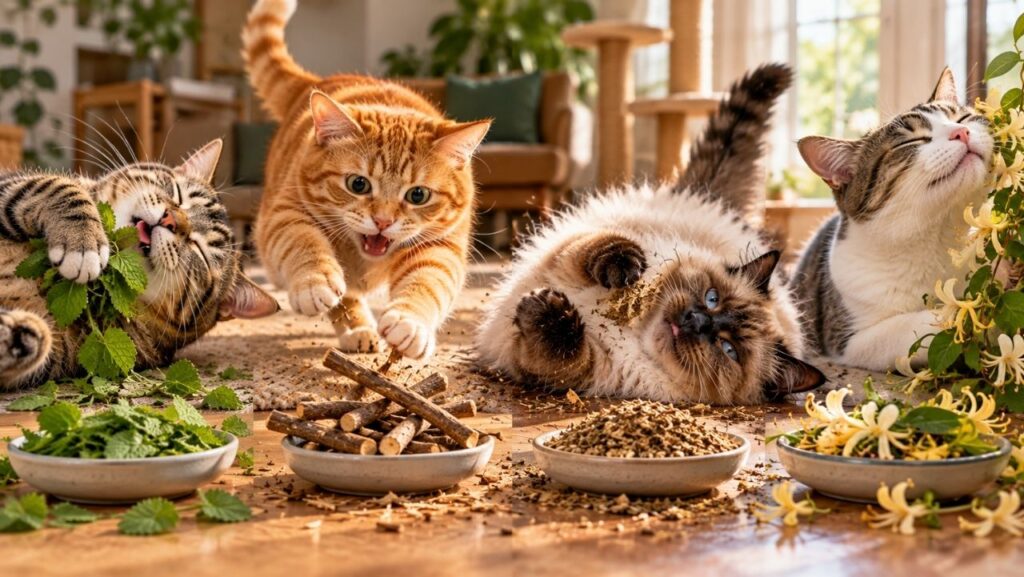
If you’ve been told your cat is “immune” to catnip, don’t give up yet. Silvervine is the best bet for a big reaction, valerian is worth a sniff for the adventurous, and honeysuckle wood is a lovely, mellow chew option. Start small, watch how your cat reacts, and enjoy the show. Few things in life are as entertaining as watching a serious, dignified cat completely lose her mind over a stick.
Disclaimer: This article is for general informational purposes only and is not a substitute for professional veterinary advice. Use only products made for cats, introduce new plants gradually, and consult your veterinarian if you have concerns about your cat’s health or reaction.