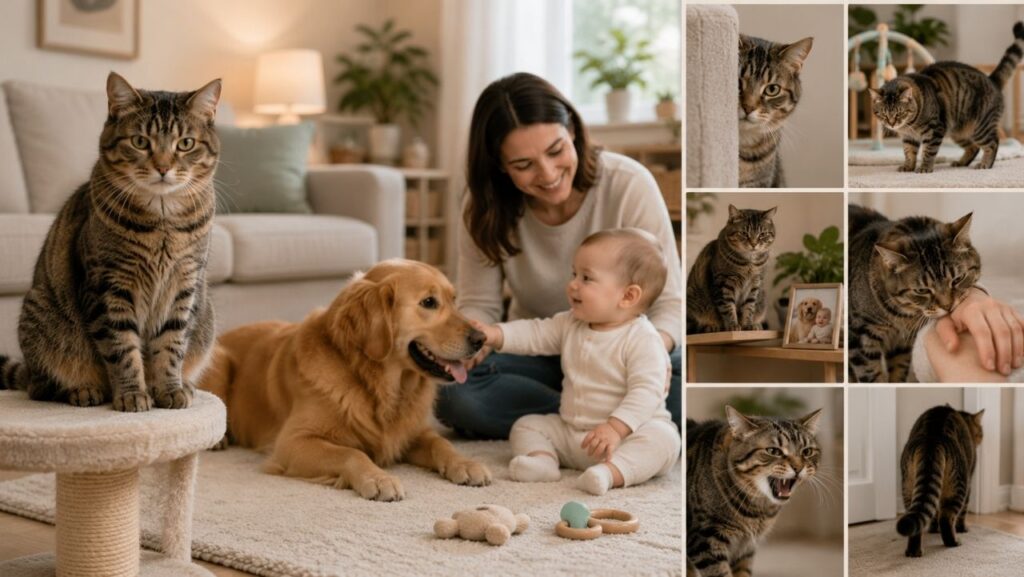
You bring home a new puppy, or a baby, or even just a particularly clingy houseguest who’s staying a bit too long, and suddenly your previously affectionate cat is giving you the cold shoulder, sitting pointedly on whatever you’re trying to focus on, or staging a dramatic protest in the form of a very deliberate bathroom mistake outside the litter box. It certainly looks like jealousy. The question is whether that’s actually what’s happening.
Cats do show behavior consistent with jealousy, primarily driven by disrupted routines, reduced attention, and a perceived threat to their resources, though it’s more accurate to describe it as resource-guarding and attachment-related stress than the complex emotional jealousy humans experience. Either way, the behavior is real, it’s uncomfortable for your cat, and it’s absolutely worth addressing.
What the Research Actually Says
Studies on jealousy-like behavior in animals, including a notable study involving dogs, found that pets displayed clear attention-seeking and even mildly aggressive behaviors when their owner showed affection toward a rival object or animal, behaviors that closely mirrored jealousy responses seen in young children. While cat-specific research in this exact area is more limited, the underlying mechanism, protecting access to attention, resources, and a sense of security, applies clearly to feline behavior as well.
So while we can’t fully confirm cats experience jealousy in the same complex emotional way humans do, they absolutely respond to perceived threats to their position in the household, and the resulting behavior looks remarkably similar to what we’d call jealousy in a person.
Common Signs of Feline “Jealousy”
If you’re noticing a shift in your cat’s behavior since a new pet or baby arrived, a few patterns tend to show up:
Increased Attention-Seeking
Sudden loud meowing, following you room to room more than usual, or inserting themselves physically between you and the new arrival are all classic signs your cat feels like they’re competing for attention they used to have exclusively.
Litter Box Issues
Stress-related litter box avoidance is extremely common during major household changes. This isn’t your cat being spiteful, it’s a stress response, though it certainly feels personal when it happens on your favorite rug.
Increased Aggression or Irritability
Some cats become more reactive, hissing, swatting, or showing generally lower tolerance, especially around the new pet or when their space feels invaded.


Withdrawal and Hiding
Not every stressed cat acts out. Some go the opposite direction entirely, retreating, hiding more, and becoming noticeably less social than before.
Marking Behavior
Increased scratching or spraying in prominent areas can be a stress response tied to feeling like their territory is under threat.
Sudden Clinginess
Some cats respond to feeling displaced by becoming more attached rather than less, following you constantly and seeking physical contact more than they used to.
Why This Happens: It’s About Security, Not Spite
It’s worth reframing this behavior in a way that makes it easier to respond to constructively: your cat isn’t plotting against the new pet or baby out of malice, they’re reacting to a genuine disruption in their sense of security and routine. Cats are creatures of habit, and a new addition to the household changes nearly everything at once, your schedule, your attention, the smells and sounds in the home, and sometimes even their physical access to previously familiar spaces.
Understanding it this way makes the solution clearer too: the goal isn’t punishing “bad” behavior, it’s rebuilding your cat’s sense of security within the new normal.



How to Help a Jealous Cat Adjust
Maintain Consistent One-on-One Time
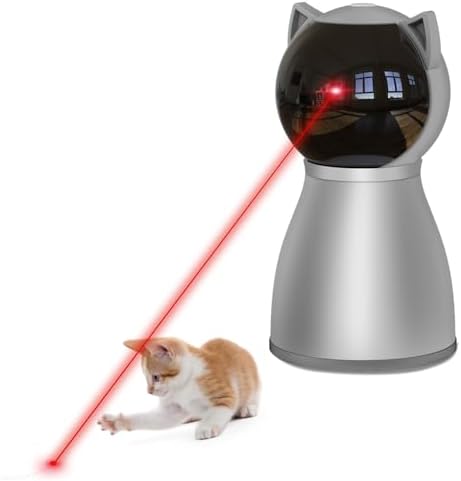
Even a small amount of dedicated, undivided attention, a few minutes of play or quiet petting, can go a long way in reassuring your cat that they haven’t been replaced. Consistency matters more than duration here.
Keep Their Routine as Stable as Possible
Feeding times, favorite resting spots, and daily rituals staying consistent gives your cat something predictable to hold onto amid everything else that’s changed.
Avoid Punishing Stress Behaviors
Scolding a cat for litter box avoidance or hissing tends to increase stress rather than resolve it, since it adds a punitive element on top of an already uncomfortable situation. Addressing the root cause works far better than punishing the symptom.
Give Them Their Own Space
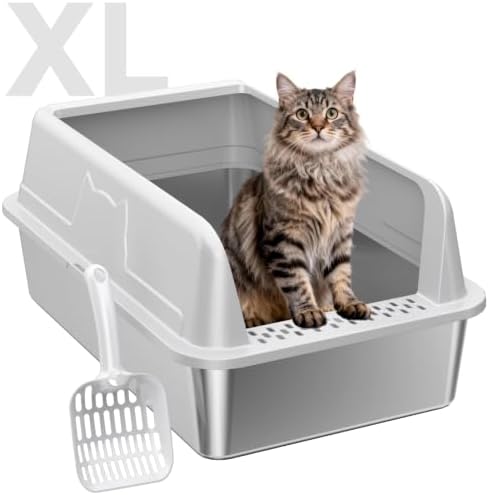
Especially with a new pet in the home, make sure your cat has areas that remain entirely their own, elevated perches, a specific room, or resources positioned away from the new addition, where they can retreat without feeling like they’re constantly sharing territory.
Introduce Positive Associations Gradually
If the jealousy is centered around a new pet specifically, pairing calm exposure to the new animal with treats or praise can help your cat build a positive association over time, rather than viewing the newcomer purely as competition.

Don’t Force Interaction
Whether it’s a new baby or a new pet, forcing your cat into close proximity before they’re ready usually backfires. Let them approach and adjust at their own pace, with plenty of escape routes available if they need space.
When to Involve a Vet or Behaviorist
If jealousy-related stress behaviors are severe, persistent, or escalating despite consistent effort, it’s worth consulting your vet or a certified cat behaviorist. This is especially important with litter box issues specifically, since ruling out a medical cause (like a urinary tract issue) is an important first step before assuming the cause is purely behavioral.
Will This Get Better Over Time?
In most cases, yes. Cats are genuinely adaptable, and with consistent routine, reassurance, and gradual positive exposure, most cats settle into a new normal within a few weeks to a couple of months. Some adjust faster than others, and personality plays a real role here, an easygoing cat may barely register the change, while a more sensitive or routine-dependent cat might need considerably more time and patience.
The Bottom Line
Whether or not it fits the strict definition of jealousy, your cat’s behavior after a new pet or baby arrives is a genuine, understandable response to a major disruption in their world. The good news is that with patience, consistent reassurance, and a bit of extra one-on-one attention, most cats adjust and settle back into contentment, sometimes even developing a genuine bond with the very “rival” they were so unimpressed by at first. Give it time, and don’t take the cold shoulder too personally in the meantime.