
There’s a very specific sound every cat owner recognizes instantly, even from a dead sleep: that unmistakable, rhythmic “hock, hock, hock” that means you have approximately four seconds to figure out whether it’s happening on tile or on your favorite rug. Hairballs are one of those universally shared cat-owner experiences, gross, a little dramatic, and somehow always perfectly timed for 2 AM.
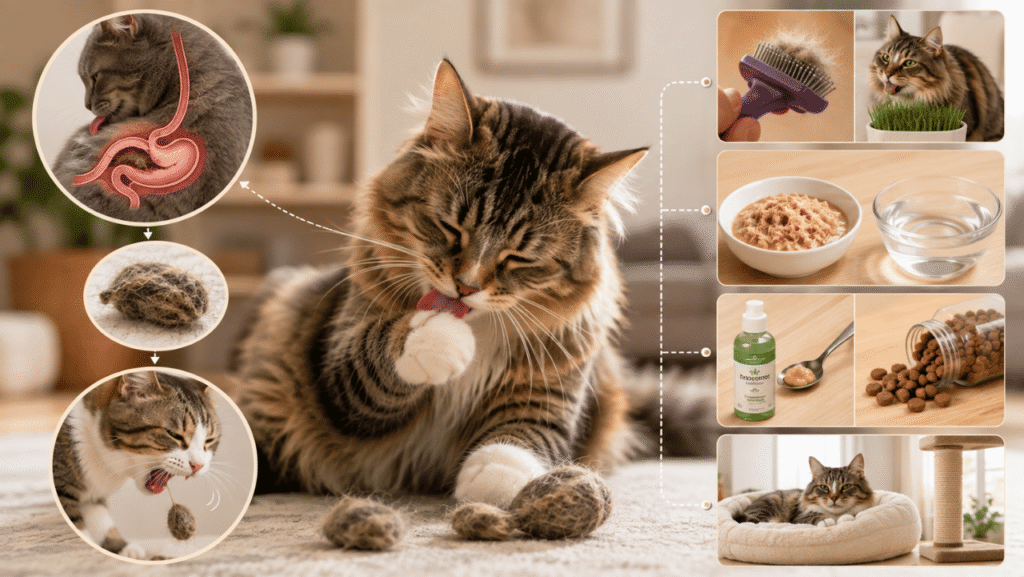
Hairballs happen because cats swallow loose fur during regular grooming, and when that fur doesn’t fully pass through the digestive system, it clumps together in the stomach and eventually gets vomited back up. It’s a completely normal part of cat biology, but “normal” doesn’t mean “unavoidable,” and there’s a lot you can do to cut down on how often it happens.
Why Cats Swallow So Much Hair in the First Place
Cats are meticulous, near-obsessive groomers, and for good reason: grooming keeps their coat clean, helps regulate body temperature, and even plays a role in stress management. The catch is that a cat’s tongue is covered in tiny, backward-facing barbs called papillae, which are excellent at catching loose fur but not so great at letting go of it once it’s caught. That loose fur gets swallowed along with the rest of the grooming routine, session after session, day after day.
Most of that swallowed hair moves through the digestive tract just fine and comes out the other end without any drama. But when enough of it accumulates in the stomach faster than it can pass through, it clumps together, mixes with stomach fluid, and eventually needs to come back up the way it went in.


Why Some Cats Get Hairballs More Than Others
A few factors make certain cats more hairball-prone than others:
- Coat length. Long-haired breeds naturally swallow more fur during grooming simply because there’s more of it.
- Shedding season. Fur volume increases significantly during seasonal shedding, which means more loose hair available to swallow during normal grooming.
- Grooming frequency. Cats who groom excessively, sometimes due to stress, skin irritation, or simply an intense personal commitment to cleanliness, swallow more hair overall.
- Age. Older cats sometimes develop more hairballs due to slower digestive motility, meaning things simply move through the system a bit more slowly than they used to.
- Underlying digestive issues. In some cases, frequent hairballs can be a sign of an underlying digestive sensitivity rather than just normal grooming volume.
Is an Occasional Hairball Normal?
Yes, generally speaking. Most healthy cats produce a hairball every so often, and one every few weeks isn’t typically cause for concern. What’s worth paying closer attention to is frequency and any accompanying symptoms, which we’ll get to shortly.


How to Actually Reduce Hairballs
1. Brush Regularly (This Is the Big One)
The single most effective thing you can do is remove loose fur before your cat has the chance to swallow it during self-grooming. Regular brushing, several times a week for most cats, daily during heavy shedding season, dramatically cuts down on the amount of hair available to become a hairball in the first place. If your cat isn’t a fan of traditional brushes, gentler options like silicone grooming gloves tend to get much better cooperation while still doing the job.



2. Consider a Hairball-Control Diet
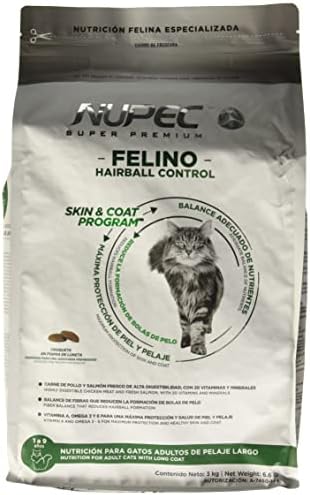
Many cat food brands offer formulas specifically designed to support hairball reduction, typically through increased fiber content that helps move swallowed hair through the digestive tract more efficiently, along with ingredients that support healthy skin and coat to reduce excess shedding in the first place. These won’t eliminate hairballs completely, but they can noticeably reduce frequency for cats prone to them.


3. Keep Your Cat Well-Hydrated
Proper hydration supports healthy digestion overall, which includes helping swallowed hair move through the system more smoothly. If your cat isn’t a big water-bowl drinker, a pet water fountain can encourage more consistent water intake, since many cats are instinctively drawn to moving water over a still bowl.


4. Try a Hairball Remedy Gel or Paste
Over-the-counter hairball remedy products, usually a flavored, petroleum-based or fiber-based gel, work by lubricating the digestive tract to help fur pass through more easily rather than accumulating. These are generally safe for occasional use, though it’s worth checking with your vet before using them regularly, especially for cats with other health conditions.


5. Address Excessive Grooming If It’s an Issue
If your cat seems to be grooming far more than usual, sometimes to the point of thinning fur or bald patches, that increased grooming volume can significantly increase hairball frequency. Excessive grooming can stem from stress, skin irritation, allergies, or discomfort, so addressing the underlying cause (rather than just the resulting hairballs) is often the more effective long-term fix.
6. Provide Enrichment and Reduce Stress
Stress-related over-grooming is more common than people realize, and a cat who’s anxious or under-stimulated may groom compulsively as a coping mechanism. Regular play, environmental enrichment, and a calm, predictable routine can help reduce stress-driven grooming, which in turn can reduce hairball frequency as a side benefit.
When Hairballs Become a Real Concern
While occasional hairballs are normal, certain patterns are worth a vet visit:
- Frequent hairballs, more than once or twice a month, especially if it seems to be increasing.
- Repeated unsuccessful attempts to vomit without actually producing a hairball, which can sometimes indicate a blockage.
- Loss of appetite, lethargy, or constipation alongside hairball activity.
- Visible discomfort or abdominal swelling.
In rare cases, hairballs can cause a genuine intestinal blockage, which is a medical emergency requiring prompt veterinary attention. This is uncommon, but it’s exactly why a sudden increase in frequency, or hairball activity paired with other symptoms, shouldn’t be brushed off as “just a normal cat thing.”
The Bottom Line
Hairballs are an unavoidable part of life with a cat, a small price to pay for their otherwise impressive personal hygiene standards. But “unavoidable” doesn’t mean “nothing can be done.” Regular brushing, good hydration, and paying attention to any sudden changes in frequency can make a real difference in how often you’re startled awake by that distinctive 2 AM sound. Your floors, your rugs, and your sleep schedule will all thank you.