Cats are the world champions of “I’m fine, nothing hurts, why do you ask?” It’s a survival instinct. In the wild, showing weakness is dangerous, so cats have learned to hide pain extremely well.
That’s great for wild cats and tricky for owners. Pain in cats rarely looks like crying or limping. It looks like small changes that are easy to put down to age, mood, or “just being a cat.” Here’s what to watch for.
Why Cats Hide Pain
Cats are both predators and prey, so instinct tells them to keep problems private. A cat in real discomfort may still eat, purr, and act mostly normal. Purring isn’t a reliable sign of happiness, because some cats also purr when they’re stressed or hurting.
So instead of waiting for obvious signals, learn to spot the quiet ones. The best clue is change. Anything that’s different from your cat’s normal behavior deserves attention.
Changes in Activity and Movement
Pain often shows up in how a cat moves.
- Jumping less: hesitating before jumping onto the couch, or no longer reaching the window sill
- Taking stairs slowly or avoiding them
- Stiffness after resting, especially in older cats
- Sleeping more, or sleeping in new spots, often lower down
- Less play, or giving up toys early
- Limping, or favoring one leg
Many owners put these down to “getting older.” Age can bring arthritis, which is common in senior cats and is painful, but it’s also treatable. Slowing down isn’t something your cat simply has to put up with.
Changes in Grooming
Cats are tidy by nature, so grooming habits say a lot.
- A messy, greasy, or matted coat, especially along the back, can mean it hurts to twist and reach
- Over-grooming one spot, sometimes until it’s bald, can point to pain in that area
- Overgrown claws, because some cats stop scratching when it hurts
Changes in Eating and Drinking
- Eating less, or dropping food while chewing
- Chewing on one side
- Drooling or bad breath
- Approaching the bowl, then walking away
Dental disease is a very common source of hidden pain in cats. If your cat seems interested in food but struggles to eat it, a dental check is a good idea.
Changes in the Litter Box
The litter box can reveal a lot.
- Going outside the box, which may happen because stepping into a high-sided box hurts
- Straining or crying while urinating
- Frequent trips with little output
- Blood in the urine
Straining without producing urine, especially in a male cat, can be an emergency. Call a vet immediately. If a box is hard to step into, a low-entry box can make a big difference for stiff or older cats.
Changes in Personality
Pain affects mood just like it does for us.
- Hiding more, or withdrawing from the family
- Becoming clingy in an unusual way
- Irritability, such as growling, swatting, or flinching when touched
- Less interest in greeting you
- Vocalizing more, especially at night
A usually sweet cat who suddenly objects to being picked up may be telling you something hurts.
Facial Clues: The Grimace Scale
Vets use facial expressions to judge pain in cats. Signs include:
- Squinting or half-closed eyes
- Ears flattened or turned outward
- A tense, flat muzzle
- Whiskers pulled back or flattened against the face
- A hunched posture with the head held low
A cat who looks worried or “pinched” in the face deserves a closer look, especially if it lasts more than a few minutes.
Common Causes of Hidden Pain
Pain in cats has many possible sources, and only a vet can sort them out. The most common ones include:
- Dental disease, such as inflamed gums or a painful tooth
- Arthritis, particularly in cats over seven or so
- Urinary problems, including bladder inflammation and stones
- Injuries, from falls, fights, or a bad landing
- Digestive upset and other conditions inside the belly
You don’t need to work out which one it is. Your job is simply to notice the change and book the appointment.
What To Do If You Suspect Pain
The most important step is to call your vet. Don’t try to treat pain at home.
Never give human painkillers. Common medications like ibuprofen and paracetamol (acetaminophen) can be very dangerous or even fatal for cats. Only give what your vet prescribes.
Before the visit, it helps to note:
- What has changed and when it started
- Eating, drinking, and litter box habits
- Any possible injuries, such as a fall or fight
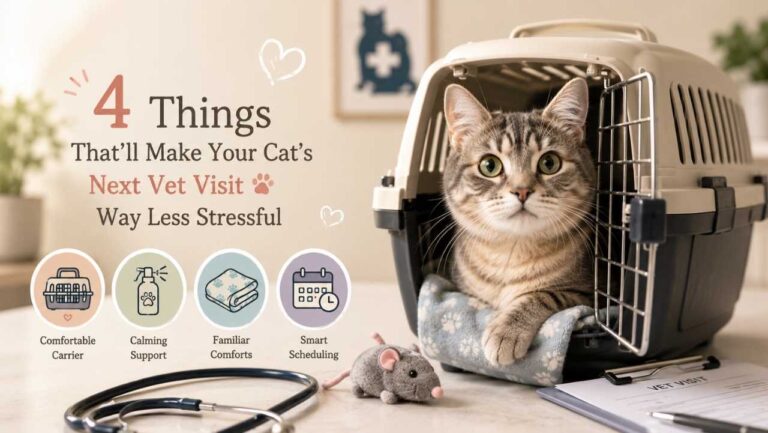
- A short phone video of your cat walking or jumping, since cats often act normal once they reach the clinic
Making Life Easier for a Sore Cat
While you wait for the appointment, or while treatment is working, small changes at home can help.
- Place steps or ramps near favorite spots
- Use a low-entry litter box
- Put food and water in easy reach
- Offer a soft, warm bed in a quiet place
- Brush gently if your cat can’t groom well themselves
- Keep the routine calm and predictable
How Vets Check for Pain
A vet will usually watch your cat move, gently feel along the spine, joints, and belly, and check the mouth. Sometimes blood tests, urine tests, or X-rays follow. Bringing a video from home and your notes makes this much easier, because cats often hide their symptoms in a strange room full of smells.
Don’t Wait for Dramatic Signs
Because cats hide pain so well, waiting for something obvious can mean waiting too long. Regular vet checkups, ideally once a year and more often for seniors, can catch problems early, before they turn into larger ones.
The Takeaway
Pain in cats is usually quiet. Look for changes in movement, grooming, appetite, litter box habits, and personality, and watch your cat’s face. Don’t assume slowing down is simply old age.
If something seems off, call your vet. Your cat can’t tell you what hurts, but with a little attention, they can still show you.