
Nobody warns you about this part. You fall in love with a tiny face at the shelter, sign the adoption form, and three days later you’re standing in the pet store holding a $40 scratching post that your cat will ignore in favor of the cardboard box it came in. Welcome to cat ownership: a thousand small purchases, a few big ones, and a creature who is unimpressed by all of them.
Most owners should plan on roughly $1,200 to $2,500 for a cat’s first year, with the exact number depending on where you adopt, your cat’s age, and how much of the setup you buy new. After year one, costs usually settle into about $1,000 to $2,000 a year for a healthy indoor adult cat. These are ballpark figures from 2026 cost guides, and prices vary by region, so treat them as a planning range rather than a promise.
Here’s where the money actually goes.

1. Adoption Fee: $0 to $250
Shelter and rescue adoption fees are usually the cheapest part of the whole experience, and they often include extras: spay/neuter, first vaccines, and a microchip. That bundle can be worth several hundred dollars on its own, which is why adopting from a shelter is often the budget-friendly route.
Buying from a breeder is a different league entirely, and prices for purebred kittens can run well into the thousands depending on the breed. If you’re set on a specific breed, budget accordingly.
Money-saving tip: Ask exactly what the fee includes. “Spayed, vaccinated, and microchipped” saves you a lot of separate bills.
2. Spay or Neuter: $0 to $350
If your adoption fee already covers it, great. If not, expect to pay somewhere between $100 and $350 at a vet clinic, and often less at a low-cost clinic or through a local assistance program. It’s a one-time cost, and it’s also one of the best things you can do for your cat’s long-term health and behavior.
3. Vaccines and Early Vet Visits: $150 to $450
Kittens need a series of vaccines over their first months, usually three to four vet visits. Add testing for feline leukemia and FIV, deworming, and flea treatment, and early vet care commonly lands in the low-to-mid hundreds.
Adult cats adopted from shelters often come with some of this done already, which is one more point in favor of adopting an adult.


4. Microchip: $25 to $60
Often bundled into the adoption fee. If not, it’s a small, one-time expense that pays off enormously if your cat ever slips out the door. Don’t skip it, and remember to register the chip and keep your contact details up to date.
5. Food: $300 to $720 a Year
This is the cost that quietly adds up. Dry food sits at the budget end, wet food costs more, and many owners use a mix. A rough range is $25 to $60 a month.
A few things to keep in mind:
- Kittens eat more often and need food made for growth.
- Premium or prescription diets can push the monthly bill up considerably.
- Bigger bags and subscriptions can lower the price per pound.
Don’t buy the cheapest food at any cost, though. Good nutrition now is often cheaper than vet bills later.



6. Litter: $180 to $420 a Year
Between $15 and $35 a month, depending on the type and how many boxes you run. Clumping clay is usually the budget pick, while natural and low-dust options cost more. Add a scoop and a few liners or mats and you’re set.


7. Starter Supplies: $170 to $520
This is the shopping spree. The basics:
- Litter box and scoop
- Food and water bowls
- Carrier (for the vet, so not optional)
- Scratching post or pad
- Bed or blanket
- Toys, including a wand toy
- Brush or grooming tools
- Collar with ID tag, or a harness
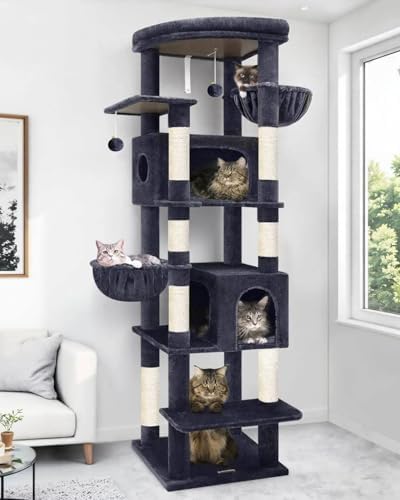
You can spend a lot or a little here. A secondhand cat tree, a cardboard scratcher, and a handful of cheap toys will make most cats just as happy as the premium versions. (Your cat will still choose the shipping box.)
8. Pet Insurance: $180 to $500 a Year (Optional)
Insurance isn’t mandatory, but it’s worth considering before something goes wrong, because most policies don’t cover pre-existing conditions. Monthly premiums commonly run about $15 to $40 depending on your cat’s age, breed, and the coverage you choose. Read the fine print on deductibles, reimbursement rates, and exclusions before you sign up.
If you’d rather not insure, the alternative is a dedicated savings pot, which brings us to the next item.


9. The Emergency Fund: $300 to $600 a Year
Every cat owner eventually gets a surprise: a swallowed hair tie, an upset stomach, a urinary problem, or a mysterious limp. Emergency vet visits can cost hundreds or even thousands of dollars. Setting aside $25 to $50 a month builds a cushion so a bad day doesn’t become a financial disaster.
10. The Costs People Forget
These don’t show up in the first-week shopping list, but they show up:
- Dental care. Professional cleanings under anesthesia can run several hundred dollars, and many cats need one eventually.
- Boarding or pet sitting when you travel, commonly a few hundred dollars a year.
- Flea, tick, and parasite prevention, often $60 to $120 a year.
- Replacements. Scratched furniture, a chewed charger, a broken lamp. Cats treat your belongings as a suggestion.
- Grooming if you have a long-haired cat, which can add up if you use a professional.
The First-Year Budget at a Glance
| Expense | Typical Range |
|---|---|
| Adoption fee | $0 – $250 |
| Spay/neuter (if not included) | $0 – $350 |
| Vaccines and early vet care | $150 – $450 |
| Microchip (if not included) | $25 – $60 |
| Food | $300 – $720 |
| Litter | $180 – $420 |
| Starter supplies | $170 – $520 |
| Insurance (optional) | $180 – $500 |
| Emergency fund | $300 – $600 |
| Rough total | $1,200 – $2,500 |
Not every line applies to every cat, which is why the total is a range rather than a sum of the maximums.



How to Keep Costs Down Without Cutting Corners
- Adopt an adult from a shelter. Many come already fixed, vaccinated, and chipped.
- Buy the essentials first. You can add the fancy stuff later, once you know what your cat actually likes.
- Shop secondhand for cat trees, carriers, and beds, and clean them well.
- Buy food and litter in bulk or on subscription once you’ve found what works.
- Do the cheap prevention. Regular vet checkups, dental care at home, and keeping your cat at a healthy weight all lower the odds of expensive problems.
- Make toys. A crumpled paper ball and a piece of string are cat gold.
Is It Worth It?
Ask anyone who’s had a cat sleep on their chest during a bad week, and you’ll hear a loud, resounding yes. The price tag is real, and it’s worth looking at honestly before you commit, but so is everything you get back: company, comfort, and a small, warm creature who thinks you hung the moon (as long as dinner arrives on time).

The Bottom Line
Plan for about $1,200 to $2,500 in year one, then roughly $1,000 to $2,000 a year after that for a healthy indoor adult. Adopting from a shelter, buying the basics first, and keeping a small emergency fund are the three moves that keep the budget under control. Do the math before you bring a cat home, and you’ll have a lot more room to enjoy the part that matters: the purring.
Disclaimer: The costs in this article are general estimates based on published 2026 cost guides and vary widely by location, provider, and your cat’s individual needs. This article is for informational purposes only and is not financial or veterinary advice. Ask your local vet clinic or shelter for current prices in your area.