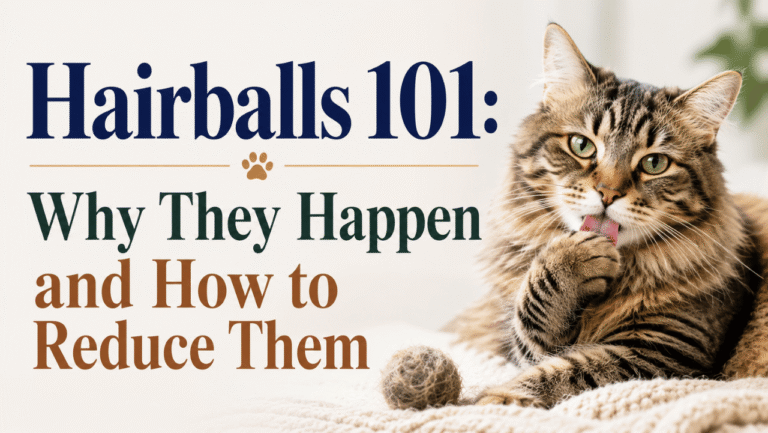
Somewhere along the way, your cat stopped taking the couch in one graceful leap. Maybe she now pauses, calculates, and then climbs it like a tiny retiree tackling a staircase. You barely noticed. One day she was a wild kitten ricocheting off the walls, and now she’s a dignified creature who naps in the same sunbeam at the same time every day.
Most vets consider cats “senior” from around age 10, and many call them “mature” from about 7. Because cats are experts at hiding discomfort, the first signs of aging are often subtle changes in jumping, grooming, sleeping, eating, and litter box habits rather than anything dramatic. The good news is that growing older isn’t a problem in itself. Catching changes early is what helps your cat stay comfortable for as long as possible.
How Old Is “Senior,” Really?
Cat life stages are usually described like this:
- Mature adult: about 7 to 10 years
- Senior: about 10 to 14 years
- Super senior: 15 years and up
Many indoor cats now live well into their late teens, and some pass 20. So if your cat is 8 and “still acting young,” she may well be, but this is the age when it pays to start paying closer attention.
The Signs Most Owners Miss
1. She Hesitates Before Jumping
This is the classic one. Your cat used to leap onto the counter, bed, or windowsill without a thought. Now she stops, shuffles, and sometimes chooses a lower route or skips the jump altogether.
It’s easy to read this as “she’s lazy now.” But reluctance to jump is one of the most common signs of joint stiffness or arthritis, which is far more common in older cats than most people realize. Cats rarely limp or cry. They just quietly stop doing the things that hurt.


2. Her Coat Looks Scruffy
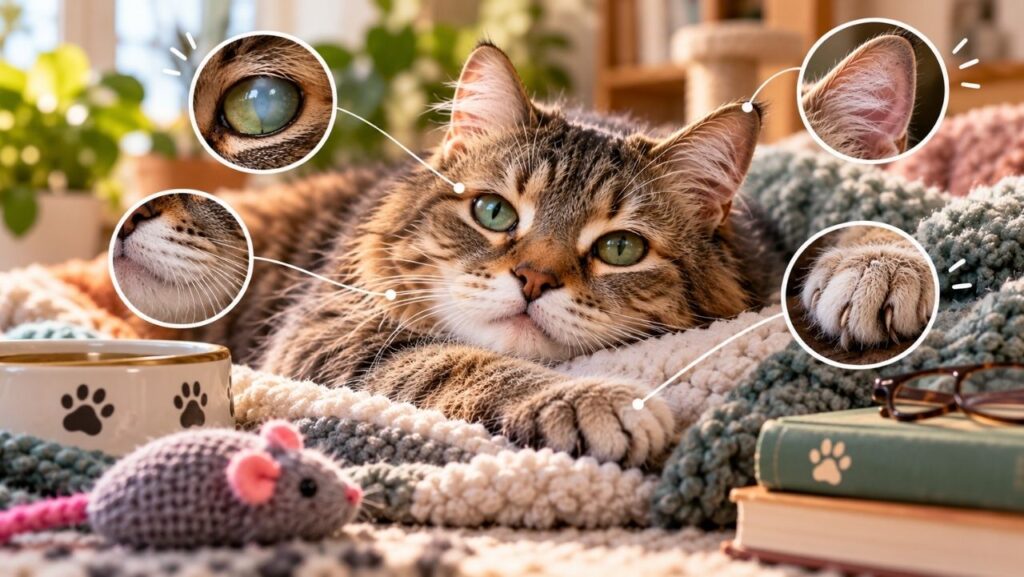
Cats are famous for being clean. If your senior cat’s fur looks greasy, matted, or unkempt, especially along the back and hips, she may be struggling to reach those spots because of stiffness. You might also notice more dandruff or a dull coat.
3. Her Nails Look Long or Thick
Older cats often scratch less, so nails can grow longer and thicker, and can even curl into the paw pads. A quick nail check every few weeks matters more as she ages.
4. She’s Sleeping More (or Sleeping Differently)
Cats already sleep a lot, so extra naps are easy to miss. Some change is normal, but a big shift in sleep patterns is worth noting. A cat who suddenly sleeps all day and doesn’t greet you anymore, or one who wanders and cries at night, is giving you information.
5. Your Cat Is Vocalizing More
Increased yowling, especially at night, can be linked to hearing loss, confusion, discomfort, or medical issues such as an overactive thyroid. If your cat has started “talking” at 3 AM in a way she never did before, mention it to your vet.
6. Litter Box Habits Are Changing
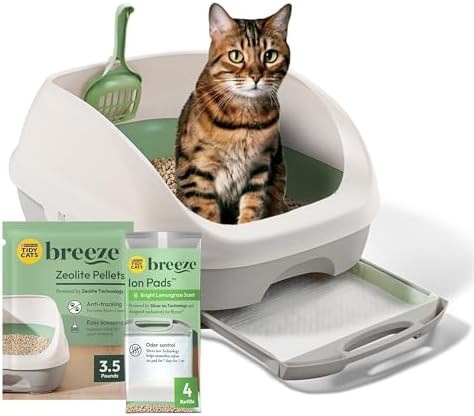
Missing the box, peeing just outside it, or hesitating at the edge can be a sign that stepping over a tall litter box wall hurts. It can also signal kidney problems, diabetes, or urinary issues. A cat who suddenly doesn’t use her box isn’t being naughty. She’s trying to tell you something.


7. Her Appetite or Weight Is Shifting
Watch for weight loss with a normal or increased appetite, which can point to conditions like hyperthyroidism or diabetes. Also watch for eating less, drinking more, or being picky about dry food, which can reflect dental problems or kidney disease.
Weight changes can sneak up on you in a fluffy cat, so a regular weigh-in at the vet (or on a home scale) is useful.
8. Bad Breath or Drooling
Dental disease is extremely common in older cats and is often painful. Signs include smelly breath, chewing on one side, dropping food, pawing at the mouth, or refusing hard kibble.
9. She Seems Confused or “Off”
Staring at walls, getting lost in familiar rooms, forgetting the litter box location, or not recognizing routines can be signs of cognitive changes in senior cats, sometimes called feline cognitive dysfunction. It’s not just “being old,” and there are ways to support these cats.
10. She’s Less Interested in Play or More Irritable
An older cat who used to chase every toy and now ignores them may be dealing with pain, vision changes, or simply a lower energy level. A cat who suddenly hisses when petted in certain places might be telling you where it hurts.

What’s Normal Aging and What Needs a Vet?
Some changes, like a bit more sleep or a calmer personality, are a normal part of getting older. But these are red flags that shouldn’t be written off as “just age”:
- Weight loss, or a noticeable change in appetite or thirst
- Changes in urination (more, less, straining, or accidents)
- Vomiting or diarrhea that keeps happening
- Not grooming, or a very rough coat
- Limping, stiffness, or pain when touched
- Sudden behavior changes, hiding, or aggression
- Bad breath, drooling, or trouble eating
If something seems different, it’s worth a call. With older cats, small problems are much easier to manage when they’re caught early.
How to Help Your Senior Cat Thrive
You can make her golden years comfortable with a few small tweaks:
- Schedule senior checkups. Most vets recommend visits about every six months for senior cats, often with bloodwork, since many conditions don’t show symptoms early.
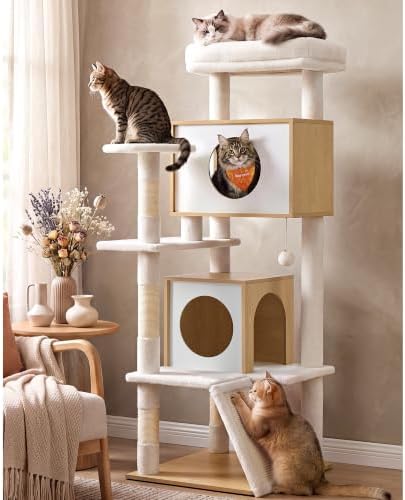
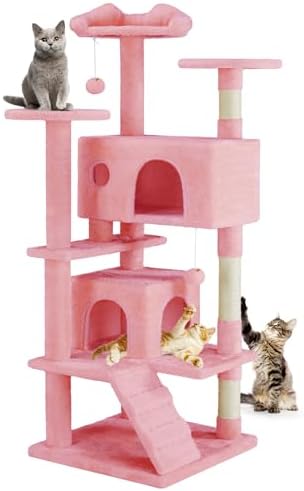
- Add ramps or steps to favorite spots like the bed, couch, or window perch.
- Switch to a low-entry litter box so she doesn’t have to climb in.
- Put food, water, and litter on the same floor, close to where she spends her time.
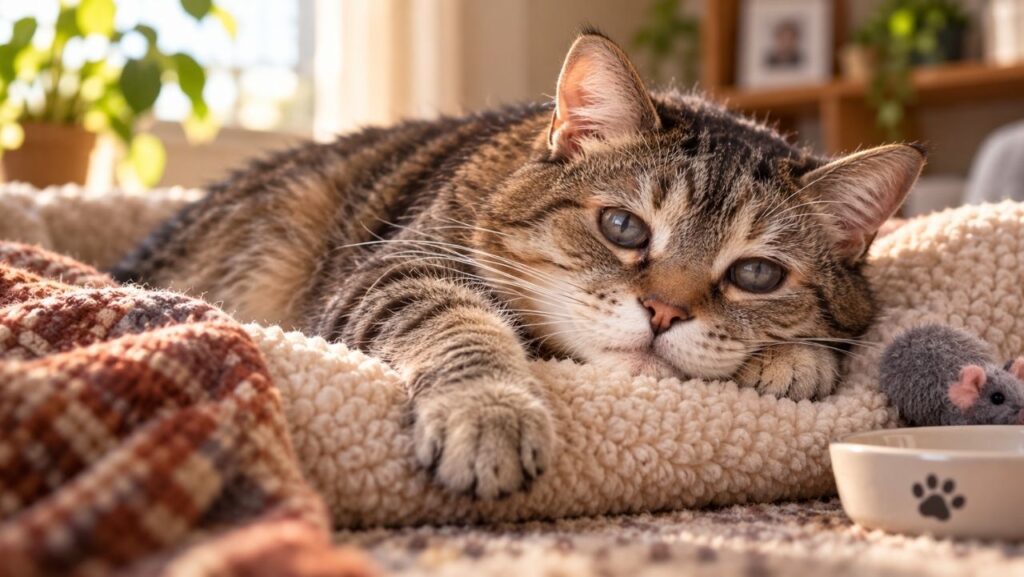
- Provide soft, warm beds in quiet spots. Older cats often love heat.
- Keep her routine steady. Seniors like predictability.
- Keep playing, but gently. Short, easy sessions keep her mind and body active.
- Brush her more often if she can’t groom well on her own, and be gentle over sore spots.
- Ask your vet about diet. Some senior cats do well on foods made for their stage of life.
The Bottom Line
Your cat won’t announce that she’s getting older. She’ll just quietly stop jumping, groom a little less, nap a little more, and shift her habits in small ways. Your job is to notice. Watch for the subtle changes, keep up with regular vet visits, and make small adjustments around the house. Do that, and your senior cat can stay comfortable, happy, and every bit as bossy as she was in her youth.
Disclaimer: This article is for general informational purposes only and is not a substitute for professional veterinary advice, diagnosis, or treatment. If you notice changes in your cat’s health or behavior, please consult your veterinarian.