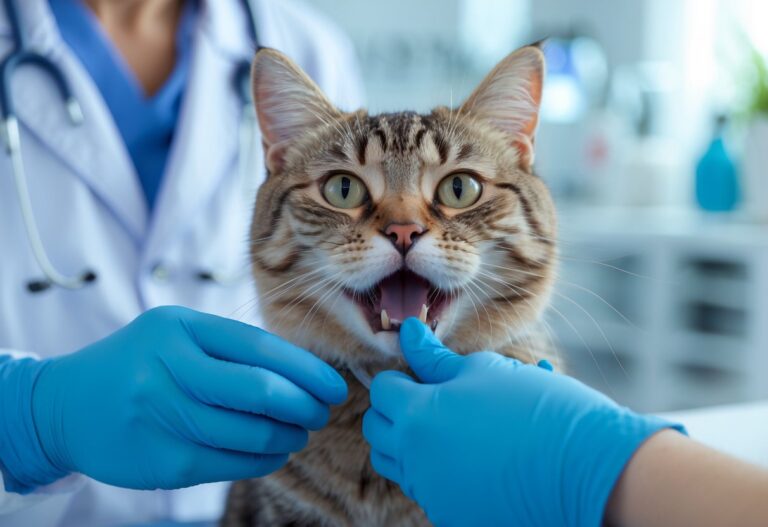
There’s a specific kind of heartbreak in watching a cat who used to launch themselves onto the top of the fridge now think twice about jumping onto the couch. Senior cats don’t announce their aging process with a birthday card and a list of demands — they just quietly adjust, slow down, and expect you to notice.
The good news is that most senior cats can stay comfortable, mobile, and pain-free well into their later years with the right adjustments at home. It’s less about a single miracle fix and more about a handful of small, thoughtful changes that add up. Here are five of the most important ones.
1. Joint Support and Mobility Help
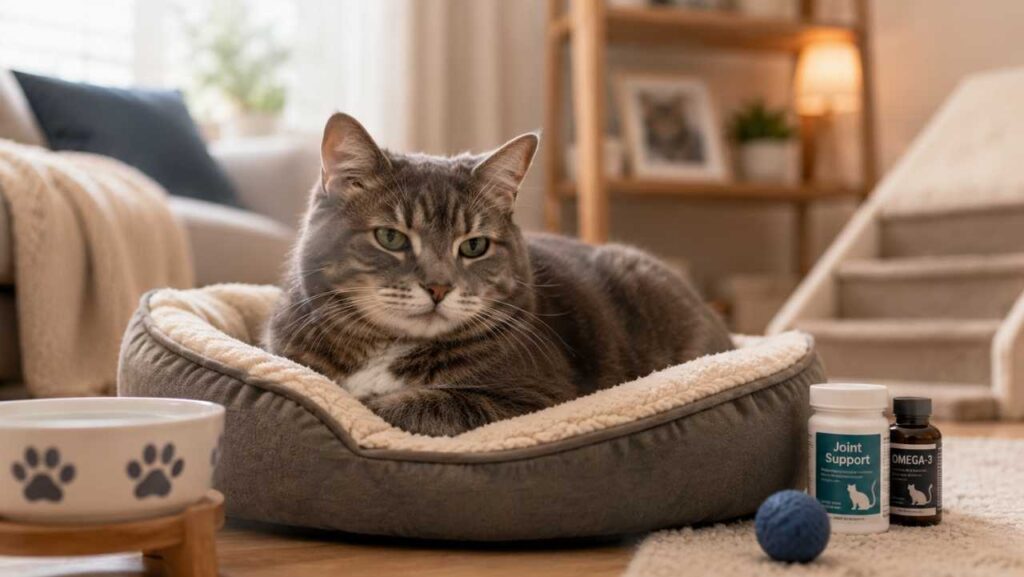
Arthritis is incredibly common in senior cats — some studies suggest a majority of cats over 10 show signs of it, even if they never limp or cry out. Cats are stoic about joint pain, so it often shows up as subtle changes instead: hesitating before jumping, taking the stairs slower, or skipping their favorite high perch altogether.
A few ways to help:
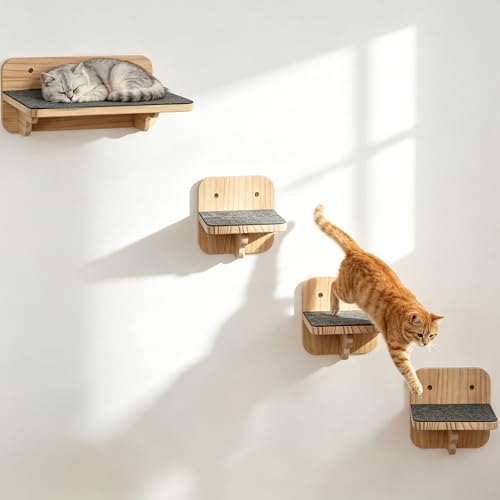
- Provide ramps or steps to favorite high spots, so your cat doesn’t have to choose between comfort and their beloved windowsill.
- Ask your vet about joint supplements like glucosamine or omega-3s, which can support joint health over time.
- Keep them at a healthy weight. Extra pounds put extra strain on already-sensitive joints, so weight management is one of the simplest, most effective things you can do.
Think of it as retrofitting your home for a cat who still wants to do everything they used to, just with slightly less enthusiasm for the vertical climb.


2. Easier Access to Litter Boxes
A senior cat with joint pain may struggle to climb into a high-sided litter box, and that struggle sometimes turns into avoiding the box entirely (which then gets mistaken for a “behavior problem” instead of a mobility one).
Simple fixes here go a long way:
- Choose a low-sided, easy-entry litter box, even if it looks less sleek than the high-walled kind.
- Keep boxes on every level of your home if you have stairs, so your cat isn’t forced to make a painful trek just to relieve themselves.
- Consider more boxes than you think you need, placed in easy-to-reach, quiet spots.
It’s a small change, but for a cat with sore joints, the difference between “easy in, easy out” and “climbing Everest” is bigger than it sounds.



3. A Comfortable, Supportive Place to Sleep
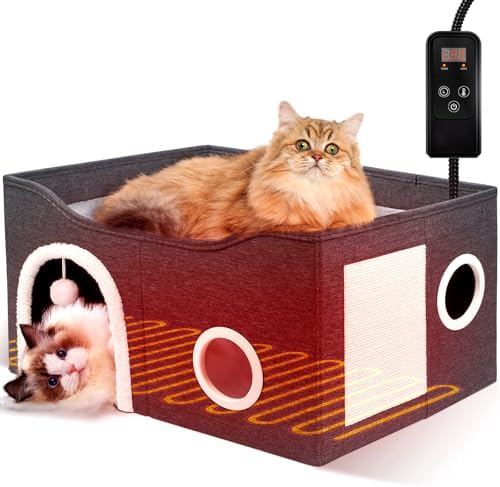
Senior cats sleep more than ever, which means where and how they sleep matters more than ever too. Thin, flat bedding doesn’t offer much support for aging joints, and cats with arthritis often seek out warm spots because heat genuinely soothes achy joints (which is why your senior cat may suddenly become obsessed with sitting directly on the heating vent).
Consider:
- Orthopedic or memory foam cat beds, which distribute weight more evenly than a basic cushion.
- Heated beds or mats, especially in colder months, for extra joint relief.
- Placing beds in warm, low-traffic spots where your cat can rest undisturbed.
Your senior cat has earned the right to nap like royalty. Might as well make it official.


4. Regular Vet Checkups (More Often Than You Think)
Younger cats can often get by on annual checkups, but senior cats benefit from more frequent visits — many vets recommend every six months once a cat hits their senior years. This isn’t just about being extra cautious; it’s because a lot of age-related conditions (kidney disease, hyperthyroidism, dental disease, arthritis) develop slowly and are much easier to manage if caught early.
Bloodwork, dental checks, and weight monitoring become especially important here, since cats are so good at hiding discomfort that subtle internal issues can progress a long way before any obvious symptoms show up. A vet who’s tracking your cat’s baseline over time is far more likely to catch a small problem before it becomes a big one.
5. A Predictable, Low-Stress Routine
Senior cats generally handle change less gracefully than they used to (relatable, honestly). Sudden shifts in routine, environment, or household chaos can be more stressful for an older cat, and stress itself can worsen pain perception and immune function.
Helping your senior cat feel secure means:
- Keeping feeding, play, and sleep schedules consistent.
- Minimizing sudden changes where possible, like rearranging furniture or introducing new pets abruptly.
- Giving them quiet, easily accessible retreat spots away from noise, kids, or overly enthusiastic dogs.
A calm, predictable environment doesn’t just make your senior cat happier day-to-day — it can genuinely support their physical comfort too, since stress and pain often feed into each other.
Signs Your Senior Cat Might Need Extra Support
Since senior cats are experts at masking discomfort, it helps to watch for the quieter signals: hesitating before jumps, sleeping in new spots, grooming less, or seeming a little more withdrawn than usual. None of these mean panic immediately, but they’re worth mentioning at your next vet visit, especially if a few show up together.
A Little Extra Patience Goes a Long Way
Aging is a gradual process, and it’s easy to miss the small day-to-day changes when you’re seeing your cat every single day. Comparing photos or videos from a year ago can sometimes make the shift more obvious than you’d expect — and that’s a good thing, since it helps you catch what needs attention sooner rather than later.
It’s also worth remembering that slowing down doesn’t mean your senior cat has stopped enjoying life. Many older cats are still playful, affectionate, and full of opinions — they just need a little more support to keep doing the things they love without paying for it in sore joints the next day.
The Bottom Line
Senior cats don’t need a complete lifestyle overhaul — just a handful of thoughtful adjustments that make daily life easier on aging joints and bodies. A ramp here, a softer bed there, a few extra vet visits, and a routine that doesn’t ask too much of them, and your senior cat can spend their golden years comfortable, content, and still fully committed to judging your every move from their favorite (now much more accessible) napping spot.