
If you’ve ever stepped barefoot onto a mystery puddle at 6 AM, you already know why this topic matters. A cat with a sensitive stomach turns every meal into a gamble: will it stay down, or will it make a surprise appearance on your favorite rug?
The best food for a sensitive stomach is usually a highly digestible formula with a simple ingredient list, moderate fat, and added fiber or prebiotics, introduced slowly over about a week. There’s no single “best” food for every cat, but the options below are widely available on Amazon and built specifically for digestive support. Think of them as a short list to take to your vet, not a prescription.
First, a Quick Reality Check
Before changing food, it helps to know that vomiting and loose stools can have many causes: eating too fast, hairballs, a food intolerance, parasites, or something more serious. An occasional upset is common. Frequent or ongoing symptoms deserve a vet visit before you start experimenting with diets.
Call your vet promptly if your cat is vomiting repeatedly, has blood in vomit or stool, stops eating, seems lethargic, or loses weight. Food can help, but it isn’t a fix for every tummy problem.
What to Look For on the Label
- Highly digestible protein. Chicken, turkey, salmon, and lamb are common choices. Some cats do better with one protein than another.
- Prebiotic fiber or probiotics. These support the good bacteria in your cat’s gut.
- Moderate fat. Very rich foods can upset sensitive cats.
- A shorter ingredient list. Limited-ingredient diets make it easier to spot what your cat reacts to.
- “Complete and balanced.” This statement means the food provides full nutrition for the life stage listed.


The Picks
1. Purina Pro Plan Sensitive Skin & Stomach
A long-time favorite among owners of cats with touchy tummies, this line comes in several dry and wet versions, including lamb and rice, turkey and oat meal with probiotics, and grain-free pâté options. The formulas are designed to be easy to digest.
Best for: Cats who need a widely available, well-known option with plenty of flavors to try.

- Rice and oat meal are easily digestible and gentle on the digestive system
- High protein formula, with real lamb as the first ingredient
- Fortified with guaranteed live probiotics for digestive and immune health
2. Hill’s Science Diet Adult Sensitive Stomach & Skin
Formulated for adult cats with sensitive stomachs and skin, with both dry and wet versions, including a salmon and vegetable minced wet recipe. Hill’s is a brand many vets are familiar with, which makes it easy to talk about with your clinic.
Best for: Owners who want a vet-familiar brand with both dry and wet choices.

- UPDATED FORMULA: Triple support for stomach, skin and immune system health
- Highly digestible formula with prebiotic fiber that is gentle on the stomach for optimal nutrient absorption
- Enriched with Vitamin E and Omega-3 & 6 fatty acids, for healthy skin and lustrous fur
3. Royal Canin Feline Care Digestive Care
A formula made for adult cats with sensitive digestion, available as dry food and as thin slices in gravy. Royal Canin designs kibble shape and texture around cats, and this line is aimed at supporting healthy digestion.
Best for: Cats who do well on a structured, digestion-focused diet and like the option of both wet and dry.

- FORMULATED FOR INDOOR CATS: Royal Canin Adult Indoor Cat Food Dry Formula is formulated for indoor cats 1-7 years old
- HAIRBALL CAT FOOD: An optimal blend of fiber for cats helps pass ingested hair through the digestive system to help mana…
- WEIGHT MANAGEMENT CAT FOOD: Controlled calorie content adapted for an indoor cat’s leisurely lifestyle helps promote a h…
4. Blue Buffalo True Solutions Digestive Care
Made with natural ingredients, with chicken as the main protein, in both wet (3 oz cans) and dry recipes. It’s aimed at supporting digestion with a targeted blend of ingredients.
Best for: Owners who prefer a natural-ingredient style food that’s still built for digestive support.

- REAL CHICKEN FIRST: Blue Buffalo sensitive stomach dry cat food starts with real chicken as the first ingredient to help…
- EXPERT FORMULATION: Designed to help your pet thrive from the inside out, Blue Buffalo Tastefuls cat food recipes are de…
- SUPPORTS IMMUNE SYSTEM HEALTH: Tastefuls natural cat food features exclusive LifeSource Bits, a precise blend of antioxi…
5. Wellness CORE+ Digestive Health
A grain-free, protein-rich pâté with a salmon recipe and digestive-support ingredients. It’s one of the more protein-forward options on this list.
Best for: Cats who thrive on higher-protein wet food and need extra digestive support.
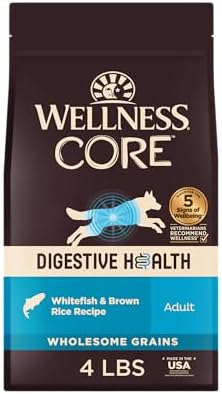
- DIGESTIVE HEALTH ADULT DRY DOG FOOD: This highly digestible, probiotic-coated, chicken free dog food is made with digest…
- SUPPORTS SENSITIVE STOMACHS: High-quality protein from whitefish and wholesome grains from brown rice help optimize nutr…
- SUPPORTS IMMUNE HEALTH AND A HEALTHY MICROBIOME: 70% of your pet’s immune system is location within their digestive syst…
6. Instinct Limited Ingredient Diet
If you suspect your cat reacts to certain ingredients, a limited-ingredient diet keeps the recipe simple, with a single protein such as turkey or rabbit. It comes in both wet and dry formats.
Best for: Cats you suspect have a food sensitivity, or owners who want to narrow down the culprit.
How to Switch Foods Without Making Things Worse
Here’s the sneaky trap: a new food can itself cause an upset stomach if you rush it. Make the change gradually over about seven to ten days:
- Days 1-2: 75% old food, 25% new food
- Days 3-4: 50% old, 50% new
- Days 5-6: 25% old, 75% new
- Day 7 onward: 100% new food
If your cat is especially sensitive, stretch it to two weeks. If stools get loose or vomiting increases, go back a step and slow down.
Other Tricks That Help
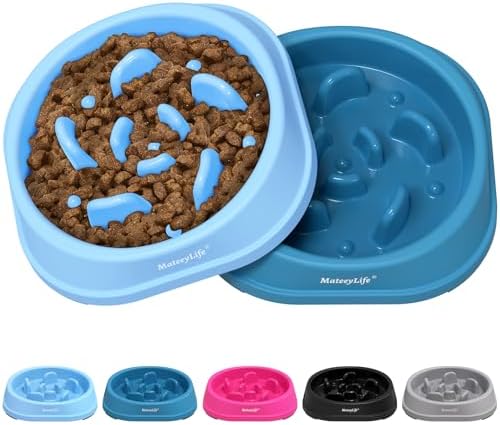
- Slow down fast eaters. Cats who inhale their food often vomit it back up. Slow feeders or puzzle bowls can make a real difference.
- Feed smaller, more frequent meals. Several small meals are often easier on the stomach than one or two big ones.
- Add moisture. Wet food or a bit of water mixed into meals can support digestion and hydration.
- Skip the table scraps. Rich human food is a classic trigger.
- Keep treats simple. Too many treats can undo the work of a gentle diet.
- Give it time. It often takes a few weeks to judge whether a new food is really helping.


When to See the Vet
Food changes work best when the diagnosis is right. If your cat has chronic vomiting or diarrhea, ongoing weight loss, or doesn’t improve after a couple of weeks on a gentle diet, ask your vet about testing. Conditions such as food allergies, inflammatory bowel disease, and parasites can look like a “sensitive stomach” and may need treatment, or a prescription diet, rather than an over-the-counter food.
The Bottom Line
A sensitive stomach doesn’t have to mean a lifetime of cleaning carpets. Start by ruling out medical issues with your vet, choose a digestible, simple formula, switch slowly, and give it a few weeks. Whichever option you pick from the list above, the winning food is the one your cat enjoys eating, keeps down, and digests well. Your floors will thank you.
Disclaimer: This article is for general informational purposes only and is not a substitute for professional veterinary advice. Always consult your veterinarian before changing your cat’s diet, especially if your cat has ongoing digestive symptoms or a medical condition.