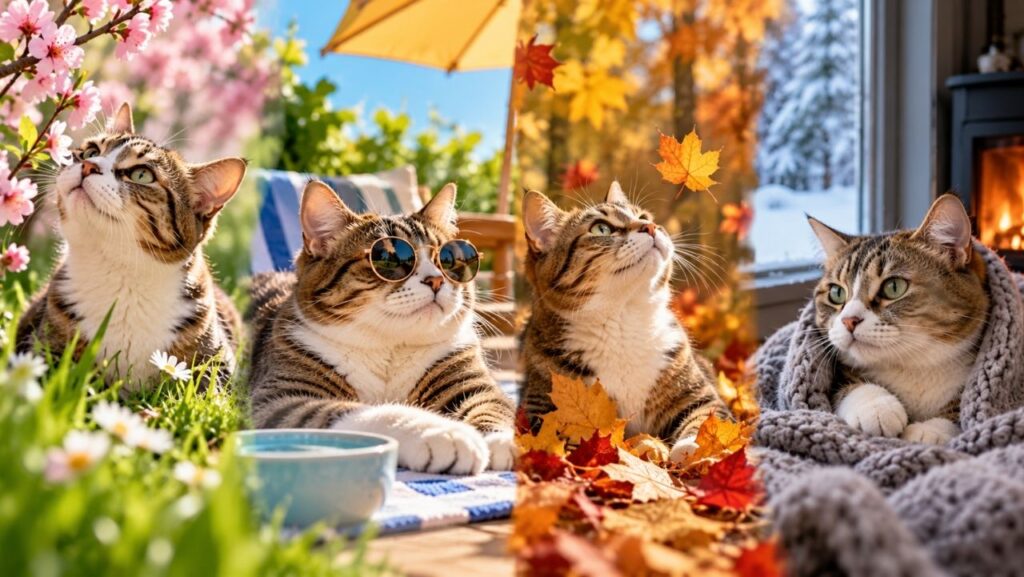
Cats don’t care about the calendar. They care about sunbeams, snacks, and whether the thing you just brought into the house can be knocked off a shelf. But the seasons bring their own set of hazards, and a lot of them sneak up on well-meaning owners: the pretty bouquet, the festive tree, the cozy engine bay on a cold night.
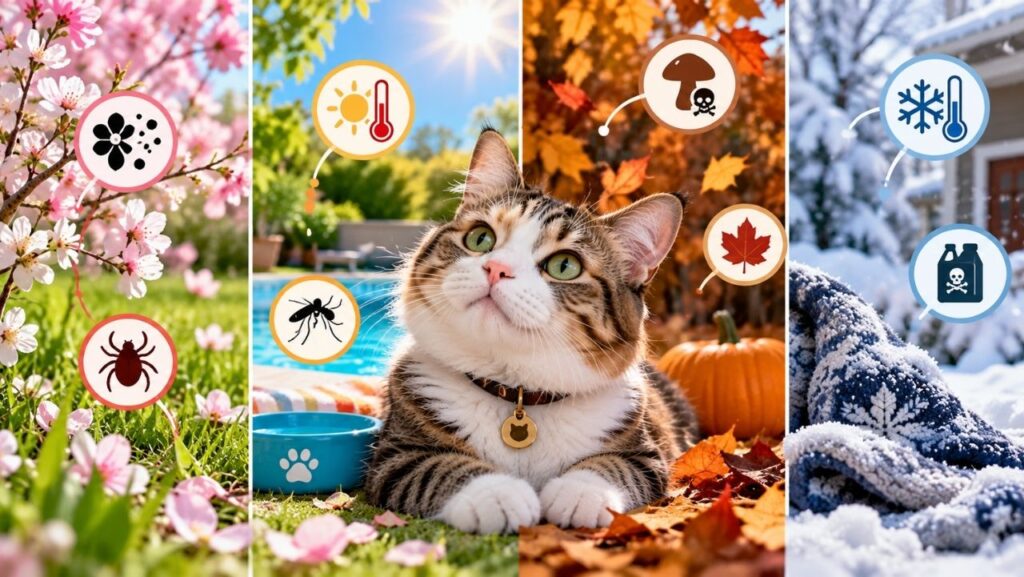
Every season has a few predictable dangers for cats: toxic spring flowers, summer heat and open windows, fall pest poisons and candy, and winter antifreeze, heaters, and holiday decorations. The good news is that almost all of them are easy to prevent once you know what to look for. Here’s your year-round cheat sheet.
Spring: Fresh Air, Fresh Hazards
Lilies Are the Big One
If you only remember one thing from this article, make it this: true lilies (Easter, tiger, stargazer, and day lilies) can cause severe kidney failure in cats. Even a small amount, including pollen licked off fur or water from the vase, can be dangerous. If a cat chews or licks a lily, treat it as an emergency and call your vet right away.
Safer choices for bouquets include roses, sunflowers, and snapdragons, but always double-check before bringing flowers home, and ask florists to leave lilies out of mixed bouquets.
Gardening Products
Fertilizers, pesticides, snail bait, and cocoa mulch can be harmful if eaten. Store them out of reach, follow label directions, and keep cats out of treated areas until they’re dry and safe.
Open Windows and Balconies
Warm weather means open windows, and cats are excellent at misjudging a jump. Falls from windows and balconies are common in spring and summer. Use sturdy, well-fitted screens (the flimsy ones pop out easily) or window guards, and never leave a balcony door open for an unsupervised cat.
Fleas and Ticks Wake Up
As temperatures rise, so do parasites. Ask your vet about a flea and tick preventive made for cats. Never use dog flea products on cats, since some contain ingredients that are dangerous to them.

Summer: Heat, Fireworks, and BBQs
Heat Is a Real Danger
Cats handle warmth better than many pets, but heatstroke still happens, especially in flat-faced breeds, seniors, and overweight cats. Warning signs include panting, drooling, restlessness, weakness, or collapsing.
To keep your cat comfortable:
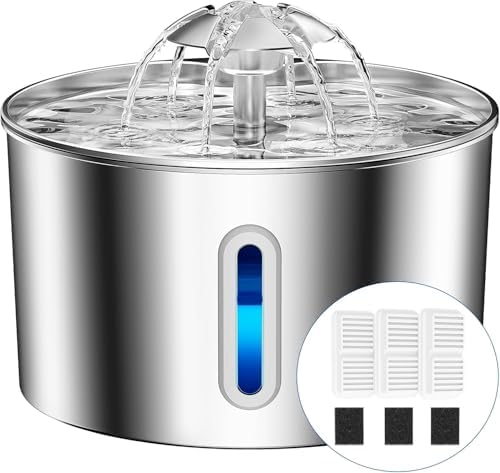
- Provide plenty of fresh water, in several spots
- Keep curtains closed on sunny afternoons
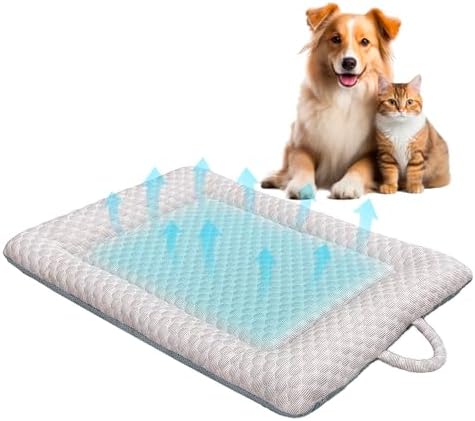
- Offer cool tile or a shaded spot
- Never leave a cat in a parked car, even briefly
If you suspect heatstroke, move your cat somewhere cool and call a vet right away.


Fireworks and Storms
Loud bangs terrify many cats. Make a quiet, dark hiding spot with a cozy bed, close the windows, and play calm background noise. Make sure the microchip is registered and the collar tag is current, because frightened cats bolt.
BBQ Leftovers
Bones, corn cobs, kebab skewers, and fatty scraps can cause choking, blockages, or stomach trouble. Onions and garlic are also harmful to cats. Keep the grill area off-limits and the trash lid secure.
Fall: Back to School, Back to Rodents
Rodent Poison
As the weather cools, mice and rats head indoors, and so does the poison put out to get rid of them. Rodenticides can poison cats directly or if they eat a poisoned rodent. Use pest control that’s safe for pets, or ask a professional about cat-safe methods, and never leave bait where a cat can reach it.



Halloween Candy
Chocolate is toxic to cats, and sugar-free candy and gum can contain xylitol, which is dangerous. Wrappers and sticks are choking and blockage risks too. Keep the candy bowl high and the trick-or-treat bags out of reach.
Mushrooms and Decorations
Some wild mushrooms that pop up in autumn are poisonous. Candles and decorative corn or gourds can tempt curious cats, so keep flames out of reach and watch for chewing.
Winter: Cozy Season, Cozy Dangers
Antifreeze
Antifreeze (ethylene glycol) is one of the most dangerous winter toxins for cats. It tastes sweet, and even a small amount can cause kidney failure. Clean up spills right away, store it tightly closed, and consider a pet-safer product. If you think your cat has had any, go to a vet immediately.



The Engine Bay Check
Outdoor and stray cats often curl up near warm car engines in cold weather. If cats roam your neighborhood, bang on the hood or honk the horn before starting your car.
Space Heaters and Fireplaces
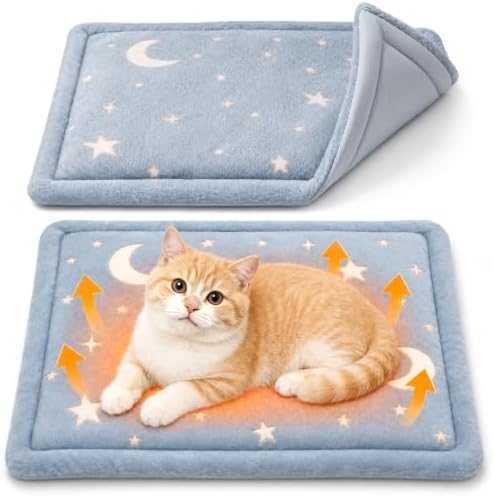
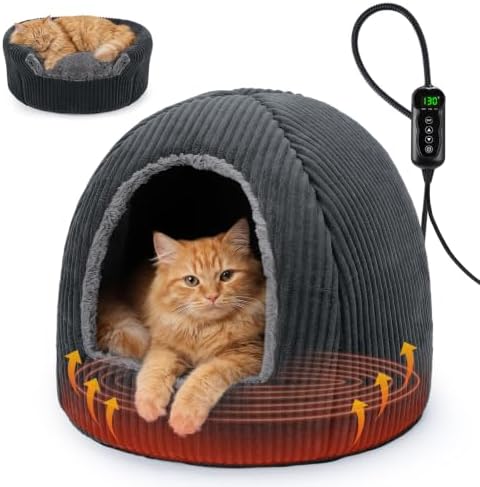
Cats love warmth, which makes heaters and fireplaces a burn and fire risk. Use heaters with tip-over protection, use a fireplace screen, and never leave a heater running unattended around pets. Check heated beds for chewed cords.
Holiday Decorations and Food
The holidays bring a whole new set of temptations:
- Tinsel and ribbon. Swallowed strings can cause serious intestinal problems. Choose cat-safe decorations.
- Christmas trees. Anchor the tree well, and keep the water covered, since it can contain fertilizers and bacteria.
- Lights and cords. Chewing on cords can cause burns or electric shock.
- Plants. Poinsettia is generally considered mildly irritating, but holly, mistletoe, and some lilies in winter bouquets can be more serious.
- Food. Chocolate, alcohol, and fatty leftovers are no-gos.
Cold Weather and Outdoor Cats
If your cat spends any time outdoors, remember that cats can get frostbite and hypothermia. Provide a warm, dry shelter if you care for outdoor cats, and bring your cat indoors during extreme cold.



Year-Round Habits That Keep Cats Safe
A few habits work in every season:
- Keep your vet’s number handy, plus an emergency clinic and an animal poison control hotline.
- Microchip your cat and keep your contact details up to date.
- Cat-proof as the seasons change. Walk through your home and ask, “What new thing is here that wasn’t here last month?”
- Know the signs of trouble: vomiting, drooling, lethargy, hiding, trouble breathing, or changes in appetite and litter box habits.
- Act fast. With many toxins, timing matters more than anything else. Don’t wait for symptoms to get worse.
The Bottom Line
Your cat can’t read the calendar or the warning labels, so that job falls to you. Keep lilies and antifreeze away, watch for heat and open windows, secure the candy and the rodent bait, and keep the holiday decorations out of reach. A little seasonal awareness goes a long way, and it leaves you free to enjoy every season with your cat, sunbeams included.
Disclaimer: This article is for general informational purposes only and is not a substitute for professional veterinary advice. If you think your cat has eaten something toxic or is showing signs of illness, contact your veterinarian or an emergency animal clinic immediately.