Few cat-owner topics start an argument faster than this one. Mention “outdoor cat” in the wrong online forum and you’ll get a wall of concerned replies within minutes. Mention “strictly indoor” in another and someone will insist you’re depriving your cat of their birthright to chase a bird. Both sides genuinely care about cats, they just weigh the tradeoffs differently, and honestly, both have real points.
The data consistently shows indoor cats live significantly longer on average than outdoor cats, primarily due to reduced exposure to traffic, predators, disease, and fights, though outdoor access does offer genuine enrichment benefits that require intentional effort to replicate indoors. Let’s look at the honest case on both sides.
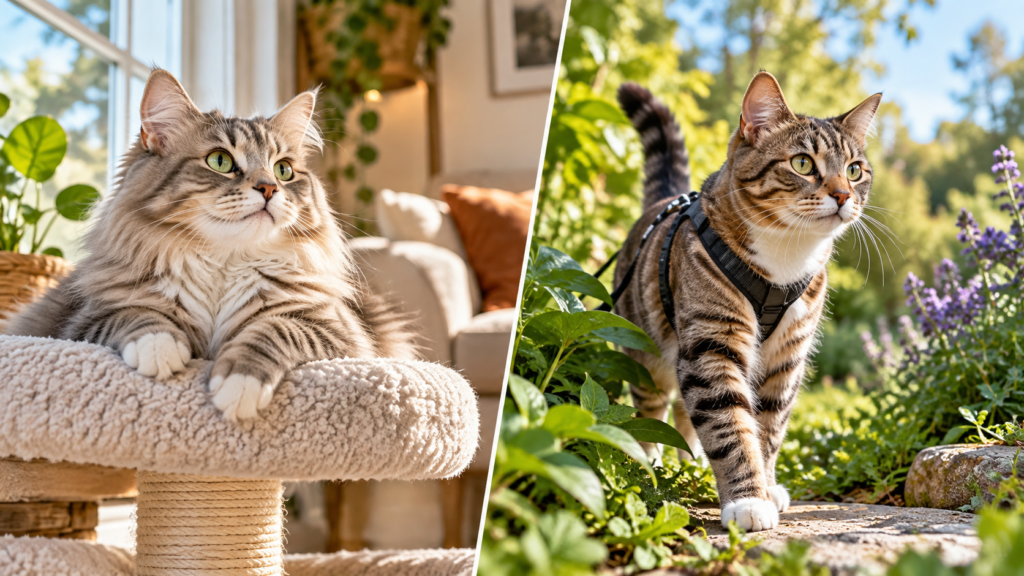
The Case for Indoor-Only
Life Expectancy Is the Big One
This is the statistic that tends to end most debates once people actually see it: indoor cats commonly live into their mid-to-late teens, often 15-20 years, while outdoor and free-roaming cats have a notably shorter average lifespan, frequently cited in the range of 2-5 years in less controlled studies, though this varies considerably by location and specific risk factors. The gap is large enough that “how long do you want your cat around” genuinely becomes part of this decision.


Traffic Is a Leading Cause of Death
Vehicle strikes are one of the most commonly cited causes of death in outdoor cats, and it’s not limited to busy city streets, even quiet suburban roads see cat fatalities regularly, since cats don’t reliably learn to avoid traffic the way dogs on leashes are trained to.
Disease and Parasite Exposure
Outdoor cats face significantly higher exposure to contagious diseases (like FeLV and FIV, both spread through close contact with other cats), along with fleas, ticks, intestinal parasites, and in some regions, exposure to rabies through wildlife encounters.
Predators and Fights
Depending on your region, outdoor cats may face real predator risk from coyotes, larger birds of prey, or aggressive dogs, alongside injury risk from territorial disputes with other outdoor cats, which can range from minor scratches to serious abscesses requiring veterinary treatment.
Impact on Local Wildlife
This one gets less attention in casual conversation but matters ecologically: outdoor and free-roaming cats are documented predators of birds and small mammals, and in some regions, cat predation has a measurable impact on local wildlife populations. If you love cats and also care about your local bird population, this is a genuinely relevant consideration.


The Case for Outdoor Access
Genuine Environmental Enrichment
Outdoor time offers a level of sensory and physical stimulation that’s genuinely difficult to fully replicate indoors, novel smells, changing terrain, natural hunting opportunities, and simply more square footage to explore. Some behaviorists argue this kind of enrichment supports better mental wellbeing for certain cats, particularly high-energy or highly food-motivated breeds.
Natural Behavior Expression
Cats are natural hunters, and outdoor access lets them express hunting, climbing, and territory-patrolling behaviors in their full, unrestricted form, rather than a simulated version involving a laser pointer and a very committed game of pretend.


Some Cats Genuinely Struggle Indoors
Certain cats, often ones who spent significant time outdoors before being adopted, or naturally high-energy individuals, can develop stress-related behaviors when transitioned to strictly indoor life without adequate enrichment. This isn’t an argument that outdoor access is required, but it does highlight that indoor life needs real intentional effort to be genuinely fulfilling, not just physically safer.
The Middle Ground: Supervised and Controlled Outdoor Access
This is where a lot of thoughtful cat owners have landed, and it’s worth taking seriously as a genuine third option rather than an all-or-nothing choice.
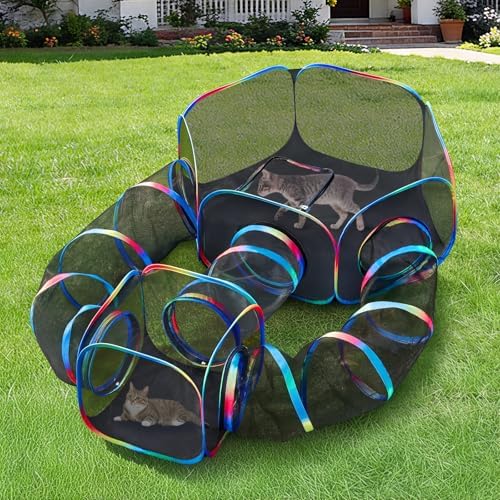
Catios (enclosed outdoor patios). A secure, enclosed outdoor space lets cats experience fresh air, sunlight, and outdoor sights and smells without traffic, predator, or escape risk. This has grown significantly in popularity as a middle-ground solution.


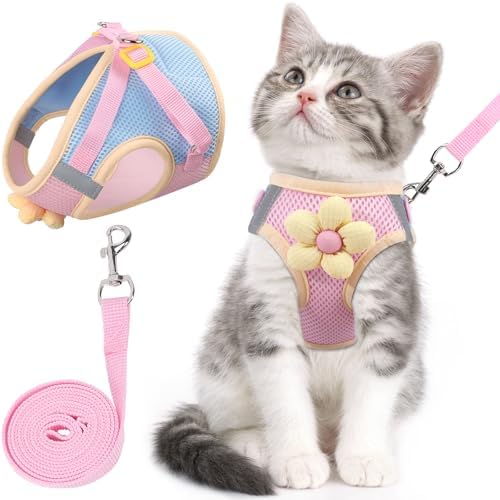
Leash and harness walks. With proper training and a well-fitted harness, some cats genuinely take to supervised leash walks, offering outdoor stimulation with full control over the environment.


Supervised yard time. For owners with a securely fenced yard, direct supervision during outdoor time can offer some benefits of outdoor access while minimizing unsupervised risk.
These options require more owner time and effort than either fully indoor or fully free-roaming setups, but they’re worth genuine consideration if you’re torn between the two extremes.
Making Indoor Life Genuinely Enriching
If you land on indoor-only, and the safety data genuinely makes a strong case for it, it’s worth investing real effort into making that environment stimulating rather than just safe:
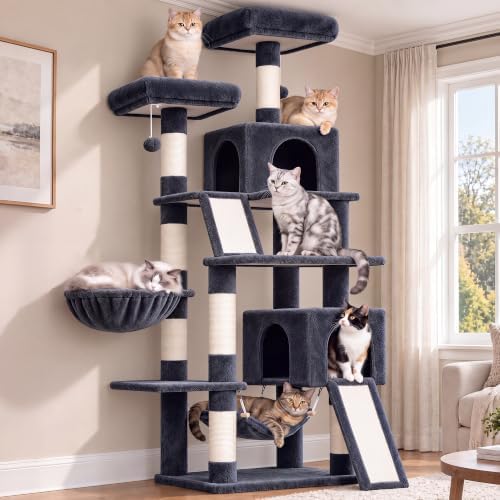
- Vertical space matters enormously. Cat trees, shelves, and window perches give cats the height and territory-patrolling opportunities they’d otherwise seek outdoors.
- Rotate toys regularly to keep novelty in the mix, rather than leaving the same toys out indefinitely.
- Provide window access to the outside world. A sunny window perch offers genuine sensory stimulation, birds, movement, weather, without any of the associated risk.
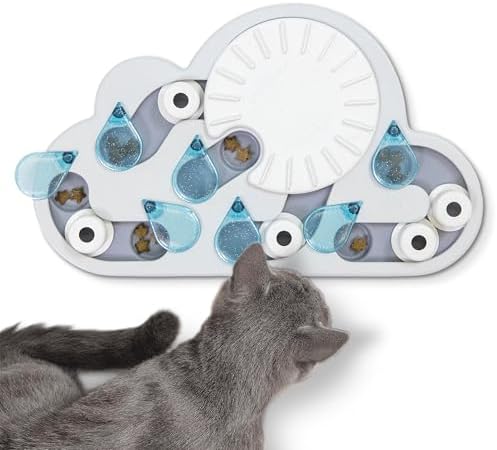
- Incorporate food puzzles and hunting-style play. Wand toy sessions that mimic a real hunting sequence (stalk, chase, catch) satisfy natural instincts more effectively than passive toys alone.
- Consider a catio if your space allows it. Even a small enclosed outdoor addition can meaningfully improve an indoor cat’s quality of life.


So, Which Is Actually “Best”?
Based purely on documented safety and longevity data, indoor or indoor-with-supervised-outdoor-access consistently comes out ahead. That said, this isn’t a case where one side is simply wrong, outdoor advocates are raising real points about enrichment and natural behavior, and it’s a genuinely reasonable position to prioritize quality of life alongside quantity of years, particularly for individual cats who struggle with strictly indoor confinement.
The most balanced approach many veterinarians and behaviorists land on: keep cats indoors or in controlled outdoor spaces (catios, supervised leash walks) to capture the safety benefits, while investing real effort into indoor enrichment to address the legitimate concerns outdoor advocates raise.
The Bottom Line
This debate isn’t going away anytime soon, and reasonable, genuinely caring cat owners land on different sides of it. What the data does make clear is that indoor life offers significant, well-documented safety and longevity advantages, while outdoor life offers real enrichment benefits that indoor environments have to work harder to replicate. Whichever way you lean, the actual goal is the same either way: a cat who’s safe, mentally engaged, and genuinely thriving, however that ends up looking in your specific home and circumstances.