Cats have a talent for finding exactly the thing you didn’t want them to touch, chew, or knock over. Most of the time that’s harmless, if mildly infuriating. Occasionally, though, that curiosity leads them straight to something genuinely dangerous, and it’s often hiding in plain sight: a bouquet on the kitchen table, a snack left on the counter, a houseplant that’s been sitting in the same spot for years without incident.
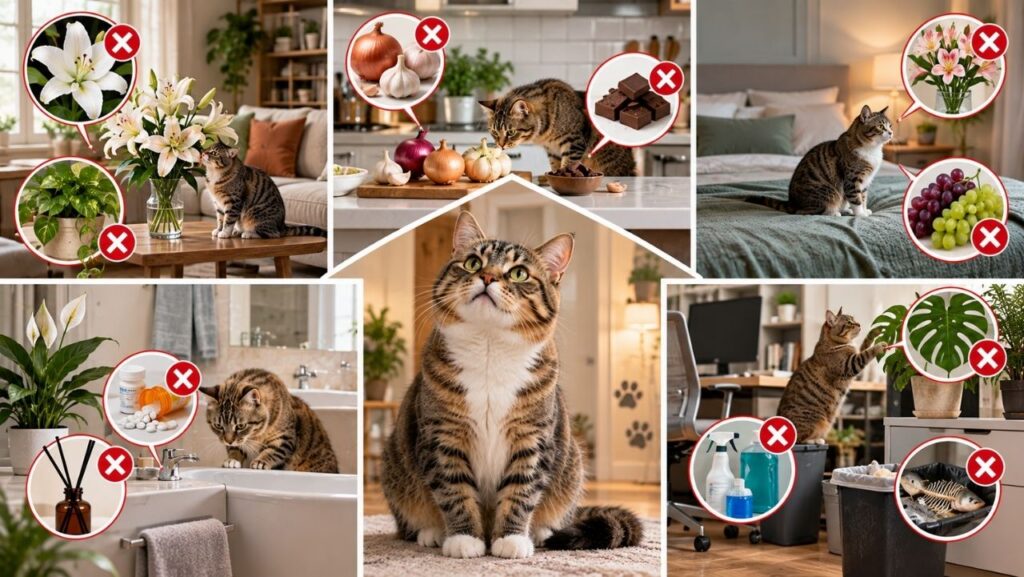
A handful of common household plants and foods are seriously toxic to cats, and knowing exactly where the risks hide, room by room, is one of the most effective ways to prevent a real emergency. Let’s walk through the house.
Living Room: Bouquets and Houseplants
This is where a lot of accidental poisonings start, usually thanks to a well-meaning bouquet.
Lilies are the single most dangerous plant on this entire list. True lilies (Easter, Tiger, Asiatic, Oriental, Stargazer, and Day lilies) are lethal to cats, and the danger isn’t limited to eating the plant. Pollen brushed onto fur during grooming, or even a sip of vase water, can trigger acute kidney failure. If a bouquet in your home includes lilies, the safest move is removing them entirely, not just keeping them “out of reach.”
Other living room houseplant hazards include:
- Sago palms, extremely toxic to cats, with the seeds being especially concentrated and dangerous, capable of causing liver failure.
- Pothos and philodendron, common in hanging planters, which cause oral irritation and drooling due to calcium oxalate crystals.
- Aloe vera, surprisingly, since the gel is soothing for humans but can cause vomiting and diarrhea in cats if ingested.
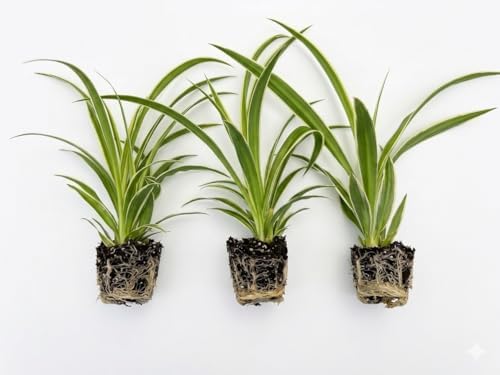
If you love houseplants and don’t want to give them up, a good middle ground is choosing cat-safe varieties (spider plants, Boston ferns, and parlor palms are all considered safe) for anywhere your cat has easy access.


Kitchen: The Biggest Concentration of Risk
The kitchen is genuinely the most food-toxin-dense room in the house, mostly because it’s where every dangerous ingredient on this list eventually shows up.
- Onions, garlic, chives, and leeks (the entire allium family) damage red blood cells in cats and can cause a serious form of anemia, even in small amounts, and even in powdered form used in cooked dishes.
- Chocolate, especially dark or baking chocolate, contains theobromine and caffeine, both of which cats process far more slowly than humans, leading to vomiting, rapid heart rate, tremors, or worse.
- Grapes and raisins, linked to kidney damage in pets, though research on cats specifically is more limited than for dogs, most vets still treat them as a hazard to avoid entirely.
- Xylitol, a sugar substitute found in some sugar-free products and baked goods, can cause a dangerous drop in blood sugar.
- Alcohol and raw yeast dough, both genuinely dangerous, with raw dough continuing to expand and produce alcohol as byproducts even after ingestion.
- Coffee and caffeinated beverages, similar risk profile to chocolate, affecting heart rate and the nervous system.
- Raw or undercooked meat and eggs, which carry bacterial contamination risk, alongside raw egg whites specifically interfering with biotin absorption over time.
A practical kitchen habit: keep counters clear of anything from this list, and treat “just a taste” as a genuine risk, not an overreaction, since cat-specific toxicity often kicks in at much smaller amounts than people expect.


Bathroom: Smaller Risk List, Still Worth Knowing
The bathroom is lower-risk overall, but a few things are worth locking away:
- Medications, both human and pet, left on counters or in easily knocked-over bags. Even common over-the-counter pain relievers like ibuprofen or acetaminophen are seriously toxic to cats.
- Essential oils, particularly concentrated ones used in diffusers, which cats can be sensitive to both through skin contact and inhalation.
- Cleaning products, especially anything left open or unrinsed on surfaces your cat might walk across or lick their paws after touching.




Bedroom: Plants and a Surprising Household Item
Bedrooms often double as a secondary spot for houseplants, so the same living room plant warnings apply here. A couple of bedroom-specific additions:
- Certain essential oil diffusers or reed diffusers left running overnight in a room your cat sleeps in.
- Small decorative items or potpourri, some of which contain toxic dried plant material.
Garage and Outdoor Spaces: The Overlooked Danger Zone
If your cat has any outdoor access, the garage and yard introduce an entirely different category of risk.
- Antifreeze (ethylene glycol) is extremely dangerous, and tragically, its sweet taste can actually attract animals to it. Even a small amount is potentially fatal, and it’s one of the most time-sensitive poisoning emergencies a cat can face.
- Rodenticides and insecticides, whether your cat eats them directly or eats a rodent that’s already ingested them.
- Certain outdoor plants and flowers, including azaleas, oleander, tulip and daffodil bulbs, and autumn crocus, many of which are more concentrated and dangerous in bulb or root form.
- Mulch made from cocoa bean shells, which contains the same toxic compound found in chocolate.



What To Do If You Suspect Poisoning
If you know or suspect your cat has ingested something toxic, time matters enormously, don’t wait to see if symptoms appear before taking action. Contact your vet or an emergency animal poison control hotline immediately, and try to have information ready: what was ingested, roughly how much, and when. Don’t attempt to induce vomiting at home unless specifically instructed to by a vet or poison control professional, since doing so incorrectly can sometimes cause more harm.
Common general warning signs of poisoning include vomiting, diarrhea, drooling, lethargy, loss of appetite, tremors, or difficulty breathing, though symptoms vary significantly depending on what was ingested.
Building a Genuinely Cat-Safe Home
The goal isn’t a completely sterile, plant-free, snack-free household, that’s not realistic or necessary. It’s about knowing which specific items carry real risk and being intentional about where they end up. A few practical habits:
- Research any new plant before bringing it home, especially bouquets, which often include hidden lilies mixed in with safer flowers.
- Store food and medications in closed cabinets, not just “up high,” since cats are remarkably skilled climbers.
- Double-check ingredient lists on baked goods and sugar-free products for xylitol.
- Keep garage chemicals sealed and stored well out of reach, especially anything sweet-smelling like antifreeze.


The Bottom Line
Most of what’s in your home is perfectly safe for your cat to investigate, sniff, and inevitably sit on. But a handful of common plants and foods carry genuine, sometimes life-threatening risk, and knowing exactly where they tend to show up, room by room, makes it far easier to keep your home both cat-friendly and cat-safe. A little awareness now saves a potential emergency later, and your curious, occasionally reckless little roommate will thank you, even if they’ll never actually say so.