
There’s a specific kind of worry that sets in when you notice your cat visiting the litter box more than usual, straining, or seeming uncomfortable mid-squat. Urinary tract issues are one of the more common health concerns in cats, and they range from mildly uncomfortable to a genuine emergency, which makes knowing the warning signs one of the most useful things a cat owner can learn.
Urinary tract problems in cats span a range of conditions collectively known as Feline Lower Urinary Tract Disease (FLUTD), and while some cases are manageable with diet and stress reduction, a complete urinary blockage, especially in male cats, is a true medical emergency requiring immediate veterinary care. Let’s break down what causes these issues, how to spot them early, and what genuinely helps prevent them.
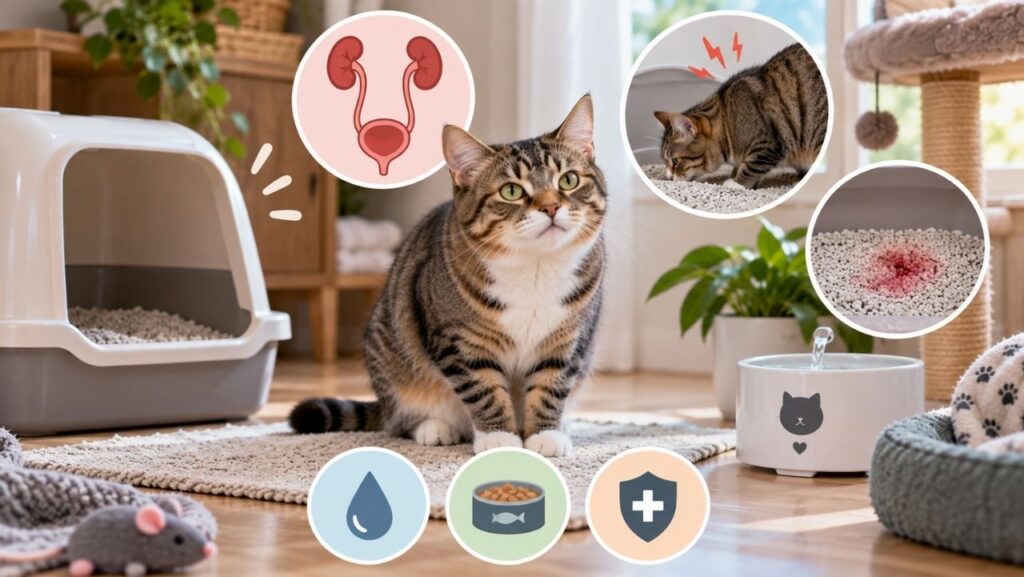
What Falls Under “Urinary Tract Problems” in Cats
FLUTD isn’t one single condition, it’s an umbrella term covering several different issues that all affect the bladder and urethra:
- Feline idiopathic cystitis (FIC), the most common cause of urinary symptoms in cats, is bladder inflammation without an identifiable infection or stones, often linked to stress.
- Urinary tract infections (UTIs), less common in cats than in dogs or humans, but still possible, especially in older cats or those with other underlying health conditions.
- Bladder or urethral stones (uroliths), mineral deposits that form in the urinary tract and can cause irritation, blockage, or both.
- Urethral blockage, a genuine emergency where the urethra becomes partially or fully obstructed, most common and most dangerous in male cats due to their narrower urethra.
Signs to Watch For
Because cats are notoriously good at masking discomfort, urinary issues often show up as behavior changes before anything more obvious.
- Frequent trips to the litter box, often producing only small amounts of urine each time.
- Straining or vocalizing while urinating, sometimes mistaken by owners for constipation.
- Urinating outside the litter box, particularly on cool, smooth surfaces like tile or a bathtub, which can feel soothing to an irritated urinary tract.
- Blood in the urine, which may appear as a pink tinge rather than obvious red.
- Excessive licking of the genital area, a response to irritation or discomfort.
- Changes in behavior, including increased hiding, irritability, or reduced appetite.
- Crying out during urination attempts.
If you notice several of these signs together, particularly frequent, unproductive attempts to urinate, this warrants same-day veterinary attention, not a wait-and-see approach.


Why Male Cats Face Higher Blockage Risk
This is important enough to call out clearly: male cats have a significantly narrower urethra than female cats, which makes them far more prone to complete urinary blockage. A blocked cat is unable to urinate at all, which allows toxins to build up rapidly in the bloodstream, and this can become fatal within 24 to 48 hours without treatment.
If a cat, especially a male cat, is repeatedly entering the litter box, straining, and producing little to no urine, this is an emergency, not a “let’s monitor it overnight” situation. Other signs of a blockage include visible distress, crying, frequent vomiting, and eventually lethargy or collapse as toxins accumulate. Getting to an emergency vet quickly can be genuinely life-saving here.
What Causes Urinary Problems in the First Place
A few overlapping factors tend to contribute:
- Stress. Feline idiopathic cystitis, the most common cause of urinary symptoms, is strongly linked to stress and environmental factors, household changes, conflict with other pets, or a disrupted routine can all play a role.
- Insufficient water intake. Concentrated urine increases the risk of crystal and stone formation, and cats are notoriously prone to under-drinking, especially on a dry-food-only diet.
- Diet composition. Certain minerals in food can contribute to crystal formation in cats prone to this issue, which is why prescription urinary diets are often specifically formulated to address mineral balance and urine pH.
- Obesity. Overweight cats show a higher incidence of urinary tract issues, likely tied to reduced activity and a generally higher inflammatory burden.
- Underlying infections or anatomical factors, less common but still a contributing possibility, particularly in cats with recurrent issues.
How to Help Prevent Urinary Problems
Encourage More Water Intake
Since concentrated urine is a major risk factor, anything that gets your cat drinking more matters. A pet water fountain often encourages more consistent drinking than a still bowl, since cats are instinctively drawn to moving water. Incorporating wet food into the diet also significantly increases overall water intake compared to dry food alone.


Reduce Household Stress
Since feline idiopathic cystitis is so closely tied to stress, environmental enrichment genuinely functions as a form of preventive urinary health care. Consistent routines, adequate resources (litter boxes, resting spots, scratching posts) in multi-cat households, and reducing major sources of tension can meaningfully lower flare-up frequency in stress-prone cats.




Maintain a Healthy Weight
Given the documented link between obesity and urinary tract issues, weight management through appropriate portion control and regular play genuinely supports urinary health, not just general fitness.
Provide Enough Litter Boxes
The general guideline of one litter box per cat, plus one extra, isn’t just about avoiding mess, easy, low-stress access to a clean litter box reduces the tendency to hold urine longer than ideal, which can contribute to concentration and irritation over time.
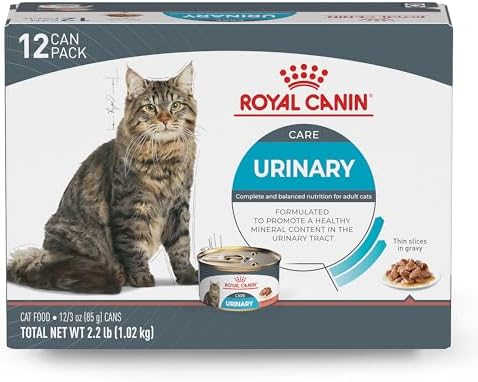
Consider a Urinary-Support Diet If Recommended
For cats with a history of urinary issues, your vet may recommend a specific prescription or urinary-support diet formulated to manage mineral content and encourage a healthier urine pH. This isn’t something to start without professional guidance, since the right formula depends on the specific underlying issue.


When Recurrent Issues Need Deeper Investigation
If your cat has repeated urinary flare-ups despite dietary and environmental adjustments, further vet workup, including urinalysis, imaging, or bloodwork, can help identify whether stones, an infection, or another underlying condition is contributing, rather than continuing to manage symptoms without a clear diagnosis.
The Bottom Line
Urinary tract issues in cats range from manageable and stress-related to a genuine life-threatening emergency, and knowing the difference matters. Frequent, unproductive litter box visits, especially in a male cat, deserve immediate attention rather than a wait-and-see approach. On the prevention side, more water, less stress, a healthy weight, and adequate litter box access go a long way toward keeping your cat’s urinary system genuinely healthy long-term.
This is a sensitive health topic. If you’re concerned your cat may currently be experiencing a urinary blockage, please contact your vet or an emergency animal hospital right away rather than waiting for symptoms to worsen.
Disclaimer: This article is for general informational purposes only and is not a substitute for professional veterinary advice, diagnosis, or treatment. Always consult your veterinarian with any questions or concerns regarding your cat’s health.